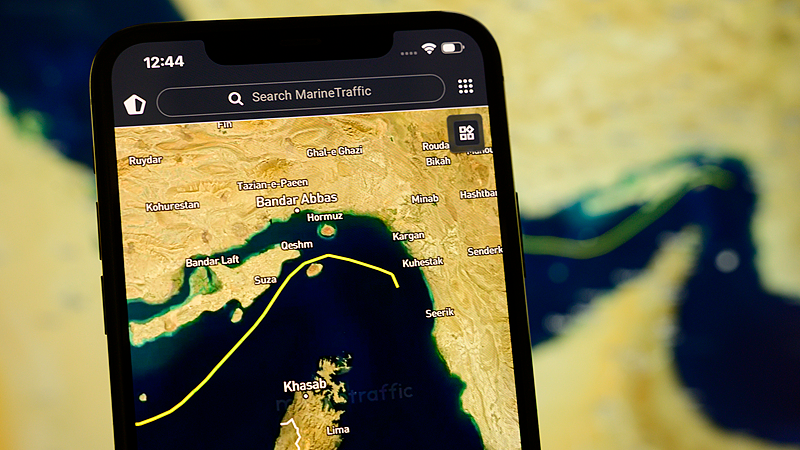
The United States' sudden blockade of the Strait of Hormuz this week has sent shockwaves through global markets, with oil prices surging and fears mounting over a renewed US-Iran conflict. Experts warn the move could backfire on Washington while destabilizing an already fragile global economy.
⚡️ Why It Matters Now
As of Monday afternoon (April 13, 2026), US warships began enforcing a full maritime blockade around Iranian ports—a critical chokepoint for 30% of the world’s seaborne oil. President Trump doubled down, threatening to "eliminate" Iranian vessels approaching the zone. This comes just days after a temporary US-Iran ceasefire was brokered, leaving many to ask: Is this geopolitical chess or economic suicide?
🚢 Can the Blockade Hold?
Saudi analyst Abdulaziz Alshaabani calls the strategy "high-risk theater," noting Iran’s ability to deploy fast-attack boats and coastal missiles. Baghdad-based professor Mohammed Al-Jubouri adds: "This isn’t 1945—blockades in the TikTok era get messy fast." With oil already hitting $120/barrel pre-blockade, Onyx Capital’s Jorge Montepeque predicts prices could rocket to $150 if tensions escalate.
🌐 Global Domino Effect
Asia and Europe face immediate energy disruptions, while young professionals worldwide brace for gas price spikes. Meanwhile, Iran’s Revolutionary Guard teased "unseen military capabilities" if fighting resumes. As travelers rethink Middle East itineraries and investors eye volatile markets, one thing’s clear: 2026’s economic rollercoaster just got steeper.
Reference(s):
US blockade of Strait of Hormuz – sustainability and consequences
cgtn.com