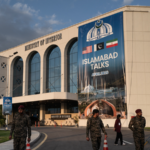
🌍 Diplomatic hopes between the US and Iran hit turbulence this week as high-stakes talks in Islamabad ended without agreement, leaving Middle East tensions simmering. The negotiations – the first direct meeting at this level since 1979 – collapsed over Iran’s nuclear program and control of the Strait of Hormuz, a vital oil shipping route.
Why It Fell Apart
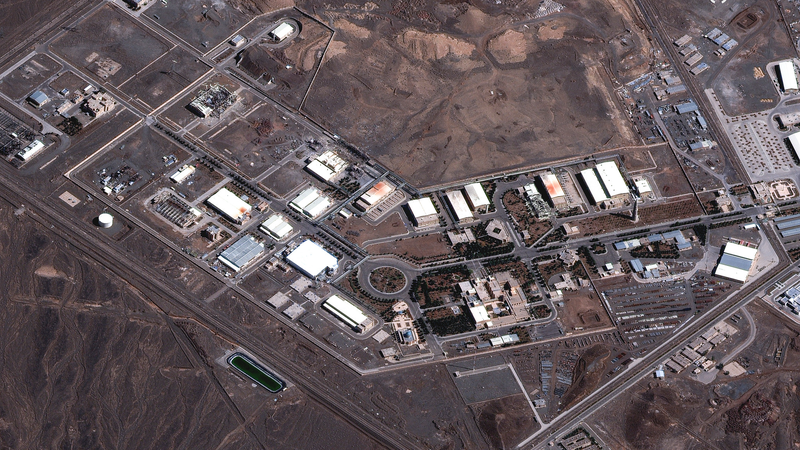
US officials demanded guarantees Iran wouldn’t pursue nuclear weapons, while Tehran called the conditions “excessive.” The stalemate follows a six-week US-Israeli military campaign targeting Iranian facilities, which failed to dismantle its uranium stockpile. Analysts estimate Iran still holds hundreds of kilograms of near weapons-grade enriched uranium.
Ceasefire Clock Ticking ⏳
A fragile truce brokered by Pakistan expires next week. Though both sides hint at renewed talks, risks loom: the US maintains a naval blockade on Iranian ports, and Tehran faces economic strain from sanctions. “The path forward needs a limited, reciprocal deal,” says Crisis Group’s Ali Vaez.
Red Lines & Compromises
Iran insists on its right to peaceful nuclear energy under international treaties, rejecting zero-enrichment demands. The US seeks a 20-year enrichment freeze – a non-starter for Tehran. Mediators now scramble to bridge gaps before hostilities resume.
⚡ With global oil markets on edge, the world watches: Can diplomacy prevail, or will military posturing define 2026’s Middle East crisis?
Reference(s):
Prospects for US-Iran deal remain uncertain after talks collapse
cgtn.com