Lebanon’s Forgotten War Takes Center Stage
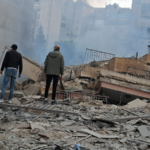
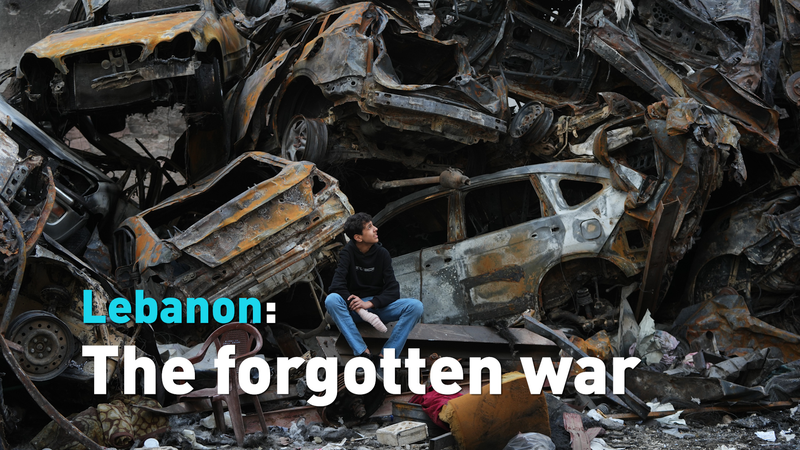
As U.S.-mediated talks between Israeli and Lebanese officials kick off this week, Lebanon faces its worst humanitarian crisis in decades. Over 1 million people have been displaced since 2024, with casualties surpassing 1,300 as cross-border strikes intensify. The conflict, reignited by Hezbollah’s resurgence and Israel’s ground operations, now threatens to unravel fragile peace efforts across the Middle East. 🕊️
From Pager Bombs to Rocket Fire
Hezbollah, nearly crippled in 2024 after leadership assassinations and exploding pager attacks (yes, that really happened 🔥), has rebuilt its arsenal. Recent rocket barrages into northern Israel prompted retaliatory strikes on Beirut’s outskirts, while some Israeli politicians openly push to annex southern Lebanese territory. The violence has turned border towns into ghost towns – and global diplomats into crisis managers.
Ceasefire Hopes Hang by a Thread
Last week’s Islamabad peace talks hit a wall when Israel launched fresh attacks despite Iran’s expectation of de-escalation. German Chancellor Friedrich Merz warned that “this isn’t just Lebanon’s war anymore”, citing risks to Hormuz Strait shipping routes and global energy markets. With Netanyahu demanding Hezbollah’s disarmament and a binding peace deal, negotiators face a Mission: Impossible scenario – minus Tom Cruise’s stunt budget. 💼
Why This Matters Globally
Beyond the immediate human toll, this conflict could:
- 🛢️ Disrupt 30% of the world’s oil shipments via Hormuz
- 🌐 Destabilize ceasefire efforts in Gaza and Yemen
- 💸 Further strain economies already reeling from pandemic recovery
As Washington tries to broker a truce, millions await whether diplomacy can outpace the drums of war.
Reference(s):
cgtn.com