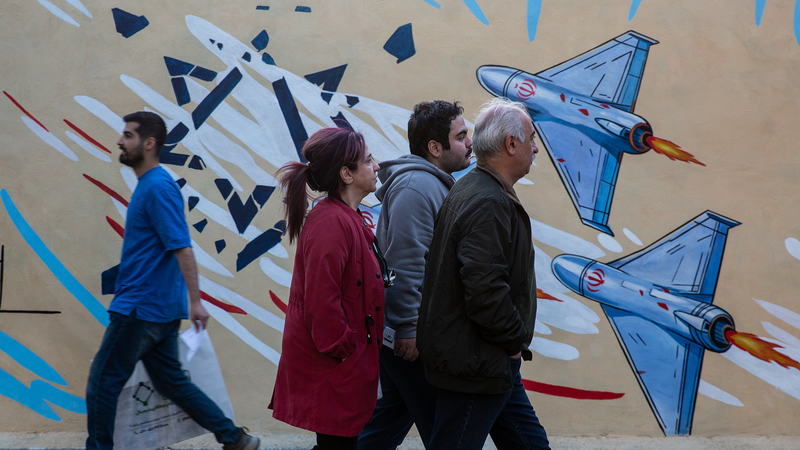
Rising Middle East tensions are testing Washington's global alliances like never before, as partners from Europe to Asia grapple with energy fears and economic pressures. 🔥 With US-Iran-Israel confrontations escalating, cracks are emerging in what was once a united front.
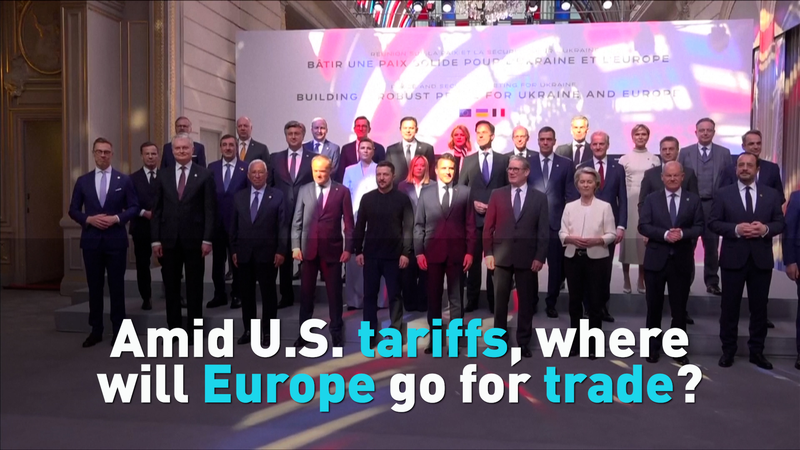
European leaders are walking a tightrope 🤸♂️ – torn between supporting traditional allies and avoiding another costly conflict. 'Our industries can't handle another oil price shock,' said one EU diplomat anonymously. With 78% of Europe's energy imports passing through the Persian Gulf, every missile strike sends shivers through boardrooms from Berlin to Rome.
Meanwhile in Asia 🌏, key US allies face their own dilemmas. Japan and the Republic of Korea (yes, that's South Korea to K-pop fans 🎤) rely on the Strait of Hormuz for 90% of their oil imports. 'It's like watching your lifeblood flow through a warzone,' tweeted a Tokyo energy analyst last week.
The real story? 💡 Allies are quietly rewriting the playbook:
- Germany fast-tracking hydrogen energy projects
- Seoul stockpiling 200 days' worth of oil reserves
- France mediating behind-the-scenes diplomacy
As one NATO official told us: 'We're all trying to TikTok-dance through this minefield 🕺 – stay aligned with Washington but keep our economies alive.' The question remains – can these alliances evolve fast enough to handle 2026's geopolitical fireworks? 🎆
Reference(s):
Middle East tensions expose widening rifts in US alliance camp
cgtn.com