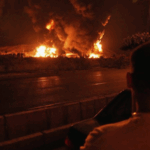
Tensions between the US and Iran reached boiling point this week after American forces fired on an Iranian cargo ship in the Gulf on Sunday, April 19. The clash comes as Tehran flatly rejected a proposed second round of negotiations aimed at easing regional hostilities. 💥
White House officials confirmed plans for high-stakes talks in Islamabad involving VP J.D. Vance and Trump-era figure Jared Kushner. But Iranian leaders slammed the door shut, calling US demands "unrealistic" while condemning ongoing military pressure. 🚢⚔️
"When negotiations come with missiles, it’s not diplomacy – it’s theater," said an Iranian government spokesperson, highlighting what they called Washington’s "schizophrenic" mix of dialogue and force.
Analysts warn the situation could spiral: Iran has reportedly mobilized defensive forces along key shipping routes, while the US Fifth Fleet remains on high alert. With both sides publicly preparing for worst-case scenarios, the Gulf’s fragile stability hangs in the balance. 🌍🔍
For young professionals tracking global markets, the crisis spells trouble: Oil prices jumped 4.2% Monday as traders braced for potential supply disruptions. Meanwhile, students of Middle East politics are calling this 2026’s most dangerous geopolitical standoff – one wrong move could rewrite the region’s playbook. 📈🎓
Reference(s):
Iran rejects second round of talks as US fires on Iranian cargo ship
cgtn.com