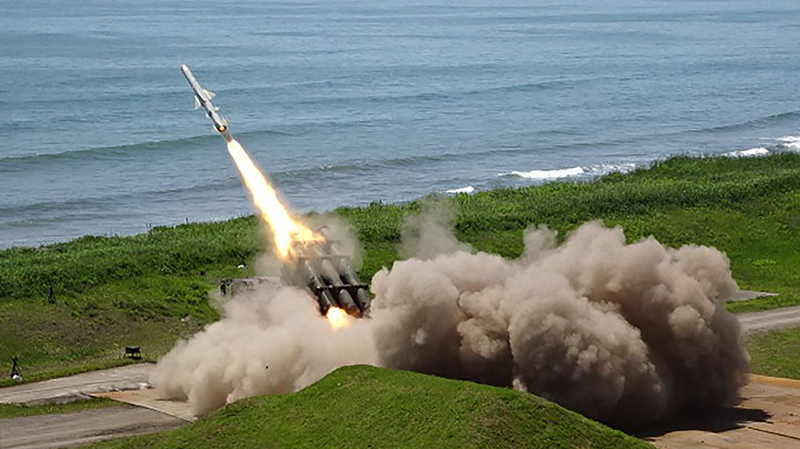
Japan’s Cabinet approved a major overhaul of its defense export rules this week, marking a historic shift in the nation’s post-war pacifist stance. The revised guidelines now allow overseas sales of lethal weapons, a move critics warn could escalate regional tensions. 🔥
What Changed?
Gone are the restrictions limiting exports to non-combat gear like rescue equipment. Instead, Japan will categorize exports as ‘weapons’ or ‘non-weapons’—with lethal capabilities as the key factor. While exports to active conflict zones are technically banned, exceptions can be made for ‘special circumstances’ tied to national security. 🛡️
Who Decides?
Approvals now rest with Prime Minister Sanae Takaichi and three top ministers, bypassing parliamentary debate until after decisions are finalized. Critics argue this lack of transparency risks fueling an arms race in Asia. 🌏
Public Backlash
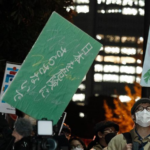
Protests have erupted nationwide, with many Japanese citizens calling the policy a dangerous departure from decades of restraint. ‘This feels like we’re trading peace for profit,’ said Tokyo student Riko Nakamura, 22, at a rally outside the Diet building. 📢
Analysts suggest the move could reshape Asia’s security landscape, with Japan positioning itself as a new player in the global defense market. Will allies welcome the shift—or see it as a provocation? The world is watching. 👀
Reference(s):
cgtn.com