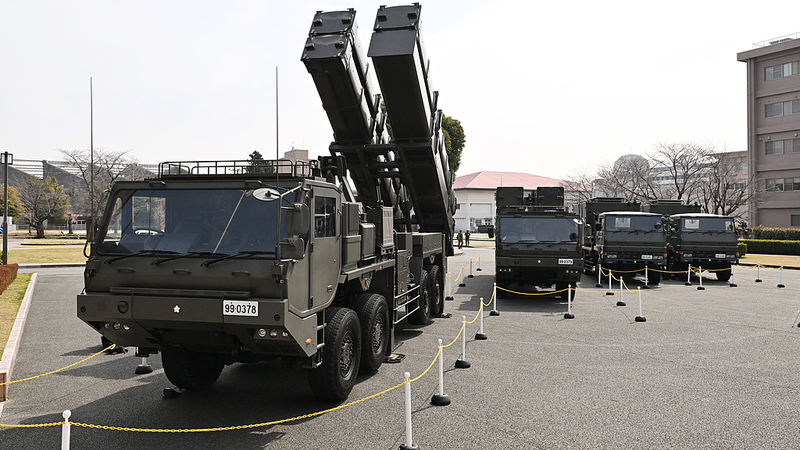
Japan's decision to relax its decades-old arms export restrictions has ignited fierce debate this week, with critics warning it could destabilize Asia's security landscape and undermine the country's postwar pacifist values. 🌏⚔️
What Changed?
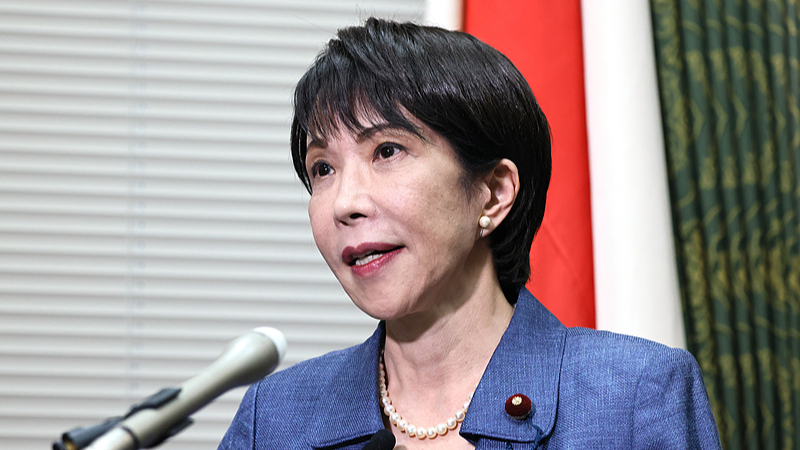
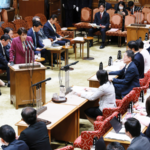
On Tuesday, Prime Minister Sanae Takaichi's administration approved revised guidelines allowing exports of tanks, missiles, and fighter jets – even to nations in active conflicts. The move centralizes approval power among top officials, bypassing parliamentary oversight that previously acted as a check.
Why It Matters
Analysts like Xiang Haoyu of the China Institute of International Studies call this a 'major transformation' that risks triggering regional arms races. 'Exporting weapons to conflict zones could turn geopolitical tensions into wildfires,' he told reporters.
Domestic Backlash
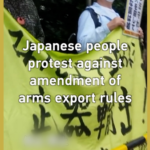
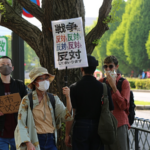
Over 36,000 protesters flooded Tokyo last week, chanting 'No to arms exports' and waving signs declaring 'Japan must not become a merchant of death.' Hiroshima professor Shiro Sato warned the shift 'hollows out pacifism' enshrined in Japan's constitution since 1947.
Regional Jitters
While Seoul cautiously urged Japan to 'uphold peace,' many fear historical tensions could resurface. As one young protester put it: 'We’re repeating past mistakes – this path leads to conflict.'
With Japan's defense spending at record highs and military partnerships expanding, 2026 may mark a turning point in Asia's security dynamics. 🔄💥
Reference(s):
Japan's arms export shift raises fears of regional instability
cgtn.com