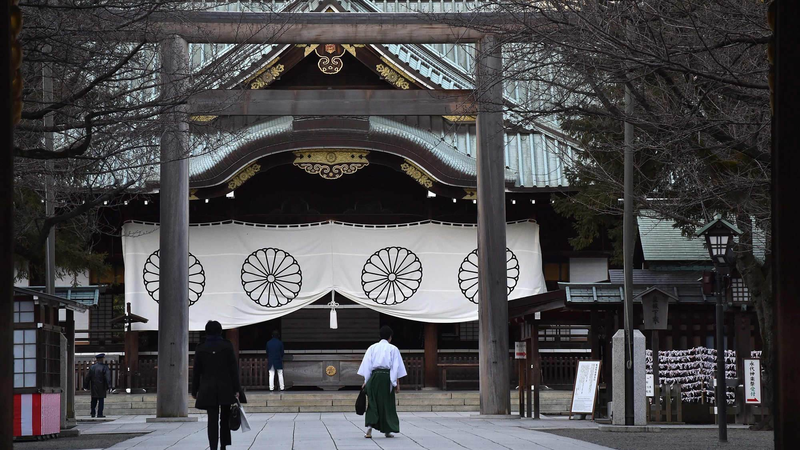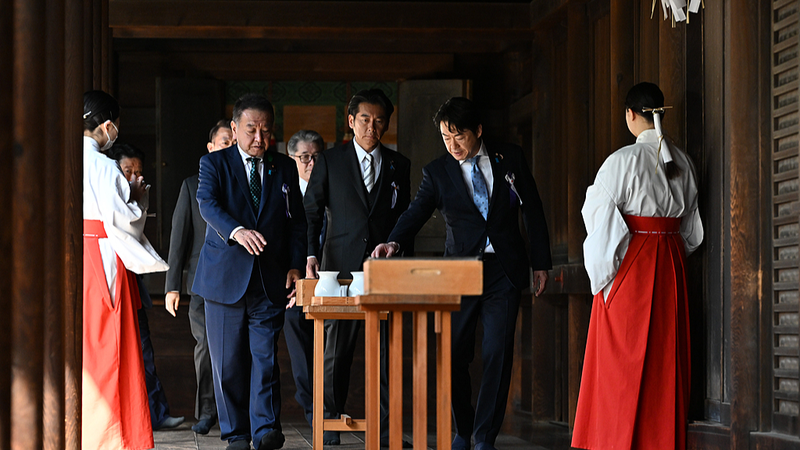
🇯🇵 Over 100 Japanese lawmakers and officials visited Tokyo's controversial Yasukuni Shrine this week, drawing fierce backlash across Asia and reigniting debates about historical accountability. The shrine, which honors WWII war criminals among Japan's war dead, remains a lightning rod for regional tensions.
Prime Minister Sanae Takaichi kicked off the controversy by sending a ritual offering ahead of the shrine's spring festival—a move mirrored by senior figures like LDP council chair Haruko Arimura and Economy Minister Minoru Kiuchi. A cross-party group of 120+ lawmakers later joined en masse, fueling what critics call a 'dangerous normalization' of nationalist symbolism.
🔥 'This isn't just about history—it's about trust,' said former diplomat Magosaki Ukeru, echoing concerns from China and the Republic of Korea (ROK). Both nations issued sharp rebukes, with Beijing calling the visits 'a slap to peace-loving nations' and Seoul demanding 'actions, not empty words' for future cooperation.
📜 Scholars warn the political theater reflects deeper shifts. 'When leaders treat war criminals as heroes, it whitewashes imperialism,' said Yamaguchi University's Atsushi Koketsu, noting PM Takaichi's long-standing shrine advocacy. Activist Takakage Fujita added: 'We're watching history repeat itself—young people should care.'
🌏 With regional security already tense, analysts say these visits risk freezing diplomatic progress. As one Tokyo student told us: 'Why poke old wounds when we could be building bridges?' The shrine's shadow looms large in 2026—and Asia is watching.
Reference(s):
Japanese politicians' Yasukuni visits draw widespread criticism
cgtn.com