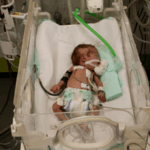
In a monumental breakthrough for global health, the World Health Organization has just prequalified the first-ever malaria treatment designed specifically for newborns and young infants. 🌍 This long-awaited move, announced on the eve of World Malaria Day, could transform the fight against one of humanity's deadliest diseases.
The newly approved therapy is a precision-formulated version of the common antimalarial drug artemether-lumefantrine, tailored for the tiniest patients—babies weighing as little as two kilograms. Until now, doctors have had to make do with imprecise workarounds, using medicines formulated for older kids. That often meant risky overdosing or toxic side effects for fragile infant bodies. 🍼
"Ending malaria in our lifetime is no longer a dream—it's a real possibility," said WHO Director-General Tedros Adhanom Ghebreyesus. The WHO's 'prequalification' stamp means the treatment meets international standards, opening the door for governments and health agencies to buy it in bulk and distribute it far and wide.
A Lifeline for Africa's Youngest
The significance of this moment is greatest in Africa. The WHO African Region bears a staggering 94% of the world's malaria cases and 95% of malaria deaths. Every year, malaria infects millions and claims over 600,000 lives globally. The most heartbreaking statistic? Children under five account for about three-quarters of malaria deaths in Africa.
Each year, around 30 million babies are born in malaria-prone parts of Africa, entering a world where safe, precise treatment for their age group simply didn't exist—until now. With this new tool, hope arrives for millions of families for whom malaria is a recurring, often fatal, reality from the earliest months of life.
New Tools for an Old Enemy
The good news doesn't stop there. Just earlier this month, on April 14, the WHO also prequalified three new rapid diagnostic tests. These next-generation tests are crucial because they target a different malaria parasite protein, solving a major glitch with older tests. In parts of East Africa, up to 80% of cases were being missed by older tests due to evolved parasite strains, leading to delayed treatment and more deaths.
Together, these advances mark a major shift: moving from one-size-fits-all tools to smart, targeted interventions. Add in the ongoing rollout of malaria vaccines in 25 countries and more effective mosquito nets, and the arsenal against malaria is getting a serious 2026 upgrade. 🛡️
The Fight Is Far From Over
Despite the excitement, experts warn that progress remains fragile. Drug resistance is spreading, mosquitoes are adapting, and global funding is falling short—less than half the target set by the WHO. The new infant treatment is a powerful proof that innovation can win battles, but winning the war will require sustained political will and investment, especially in the regions hardest hit.
The science is advancing. The question now is whether the world will keep up the momentum to deliver these life-saving tools to every child who needs them.
Reference(s):
cgtn.com