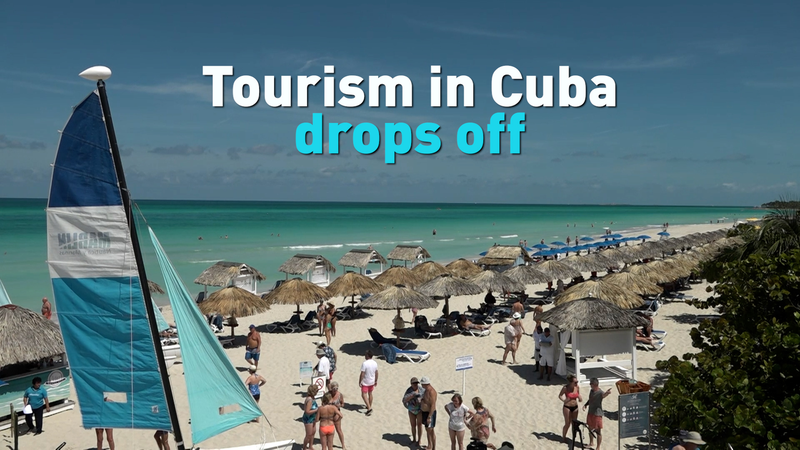
Hey, globetrotters and travel enthusiasts! ✈️ Let's talk about a destination that's been on many of our bucket lists: Cuba. Known for its vibrant culture, vintage cars, and stunning beaches, the island nation has long been a tourism hotspot. But things have taken a turn recently, and the numbers tell a story of a sector facing major headwinds.
Just a few years ago, back in 2017-2018, Cuba was welcoming over 4 million visitors a year, a record high. It was the place to be! 🏖️ Fast forward to today in 2026, and the scene looks very different. The once-booming tourism industry has experienced a sharp and significant decline.
So, what happened? It's a perfect storm of challenges.
- U.S. Sanctions: Long-standing economic restrictions have tightened, making travel and financial transactions more complicated for many potential visitors, especially those from the United States.
- Economic Crisis: Like many places, Cuba has been grappling with broader economic difficulties that affect everything from infrastructure to the availability of goods for tourists.
- Structural Problems: Ongoing internal issues within the country's economy and tourism infrastructure have added to the strain.
- The Pandemic Hangover: While the world has largely moved on from the COVID-19 pandemic, its impact on global travel patterns is still being felt, and Cuba's recovery has been particularly tough.
The result? Beaches that were once bustling are now quieter, and the famous hospitality industry is feeling the pinch. For young professionals and entrepreneurs watching global markets, this is a clear case of how geopolitics and economics directly impact a nation's most vital industries.
For the Asian diaspora, students studying global trends, or anyone planning their next adventure, Cuba's story is a reminder of how interconnected and fragile the global travel ecosystem can be. Will the mojitos flow and the salsa rhythms bring back the crowds? Only time will tell. 🎶
Reference(s):
cgtn.com