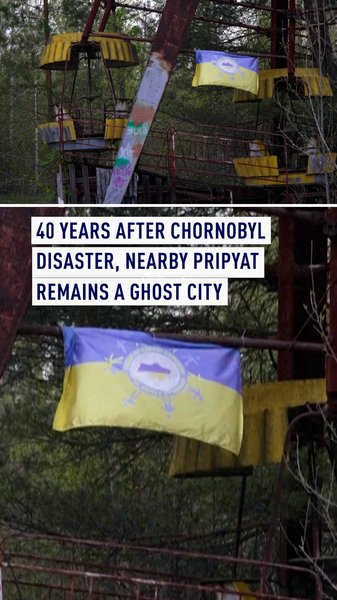
☢️ Today marks a grim anniversary. On April 26, 1986, the world's worst civilian nuclear disaster began at the Chornobyl power plant in northern Ukraine. Now, four decades later, the specter of another catastrophe looms large.
As the people of Ukraine mark the 40th anniversary today in 2026, the site is once again under a shadow—this time from the ongoing conflict that has raised fears of new radioactive threats. Talk about a plot twist no one wanted.
The Night That Changed Everything
At 01:23 on that fateful morning, a combination of human error and flawed design during a safety test caused Reactor Number Four to explode. The blast tore the building apart, sending a massive plume of radioactive material into the sky.
For over 10 days, nuclear fuel burned uncontrollably. In a desperate attempt to contain the leak, thousands of tonnes of sand, clay, and lead were dropped onto the reactor by helicopter—a scene straight out of a dystopian movie.
The International Atomic Energy Agency (IAEA) later pinpointed the causes as "severe deficiencies in the reactor design" combined with operators violating safety procedures. A perfect (and terrifying) storm.
A Legacy of Risk
Fast forward to today. The conflict that began four years ago has put the long-quiet site back in the crosshairs. Experts warn that damaged infrastructure or military activity could disturb the radioactive tomb, posing a fresh danger to the region and beyond.
It's a stark reminder that some ghosts of the past never fully rest. As we reflect on the lessons of Chornobyl, the need for security and stability around such sites has never been more urgent. The story isn't over yet. ⏳
Reference(s):
Chornobyl at 40: From world's worst nuclear disaster to new risks
cgtn.com