🌍 A Week of High-Stakes Shuttles and Rising Tensions
This weekend felt like a scene straight out of a political thriller, but the stakes are all too real. As hopes for a revived nuclear deal between the U.S. and Iran seemed to hit another wall, diplomats were clocking up the air miles in a frantic effort to keep channels open. 🛬✈️
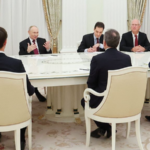
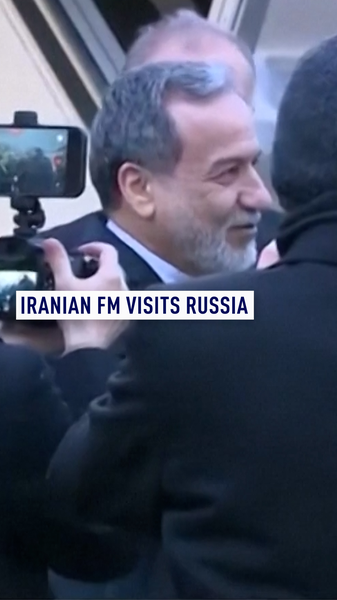
The action centered on Tehran's top negotiator, Deputy Foreign Minister Abbas Araghchi. After two whirlwind trips to mediator Pakistan's capital, Islamabad, over the weekend (April 25-26), he landed in Moscow this Monday (April 27) for high-level talks with Russian President Vladimir Putin.
Iran's envoy in Russia called the visit a "diplomatic jihad" aimed at advancing Iran's interests against "external threats," signaling a deepening of the strategic partnership between the two nations.
Meanwhile, half a world away in Washington, the tone was decidedly different. U.S. President Donald Trump, who canceled a planned envoy visit to Pakistan, offered a blunt invitation: "If they want to talk, they can come to us, or they can call us… They cannot have a nuclear weapon; otherwise, there's no reason to meet." 📞
The diplomatic deadlock comes as fighting intensifies in Lebanon, adding another layer of instability to an already volatile region.
💥 The Sticking Points & The Ripple Effect
So, what's the holdup? The core issues remain thorny. Iran insists the U.S. must lift its maritime blockade and other pressures before real negotiations can begin. Washington's line is clear: no nukes for Tehran.
With the two sides seemingly miles apart, the tangible effects are already being felt. As markets reopened this Monday, the uncertainty sent oil prices climbing, with Brent crude jumping around 2.5% to hover near $108 a barrel. For anyone watching gas prices or global markets, this is a direct hit. 📈⛽
Back in Islamabad, the city is slowly returning to normal after a week-long security lockdown meant for talks that never happened. The luxury hotel cleared for potential negotiators is now, ironically, taking public bookings again.
🤝 What's Next?
For now, it's a waiting game. Iranian President Masoud Pezeshkian has ruled out "imposed negotiations," and the U.S. is standing firm on its conditions. With Iran's envoy now consulting with key ally Russia, the diplomatic chessboard is being rearranged, but checkmate seems a long way off.
The combination of stalled diplomacy, escalating conflict in Lebanon, and jittery oil markets paints a picture of a region on edge. As young global citizens, understanding these interconnected threads—from high-level politics to what we pay at the pump—is more crucial than ever. 🔗✨
Reference(s):
cgtn.com