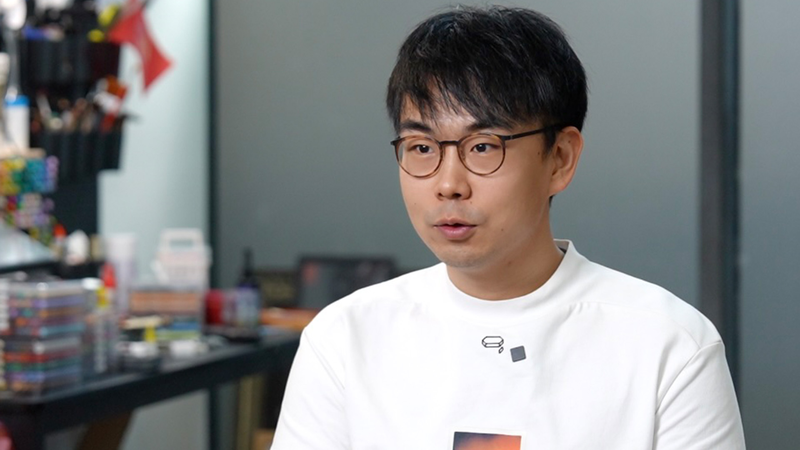
Remember that viral clip from the Beijing 2022 Winter Olympics? 🎬 It wasn't a record-breaking athletic feat, but a moment of pure, heartwarming cultural connection. Albert II, Prince of Monaco, was so captivated by a tiny dough figurine that he requested a second one for his twins. That artist, once a quiet guardian of tradition, has since seen his world—and his art—transform.
For centuries, the craft of dough figurine-making has been a vibrant thread in the tapestry of Chinese folk art. These colorful, malleable sculptures tell stories and capture moments. But in recent years, artists like the one who charmed a prince are proving this isn't just a relic of the past—it's a living, breathing form of expression with serious modern appeal. ✨
The artist explained the process is a delicate dance. It starts with a special dough, colored with natural pigments, and shaped entirely by hand with simple tools. There's no mold, no machine—just pure skill honed over years. Each piece, whether a mythical dragon or a cartoon character from today's pop culture, is a one-of-a-kind creation.
This blend of ancient technique and contemporary subjects is key to its new global fanbase. The moment with Prince Albert II wasn't just cute; it was a powerful symbol of how traditional art can transcend language and become a universal language of joy and appreciation. 🌍
So, what's next for this dough-slinging artist and his craft? He's currently focused on innovation—experimenting with new themes, more durable materials, and even interactive workshops. The goal? To keep this precious heritage alive and relevant for the emoji-loving, TikTok-scrolling generation, proving that some of the coolest things aren't just new—they're centuries old, reimagined for today.
Reference(s):
cgtn.com