Democracy, Reimagined 🇨🇳
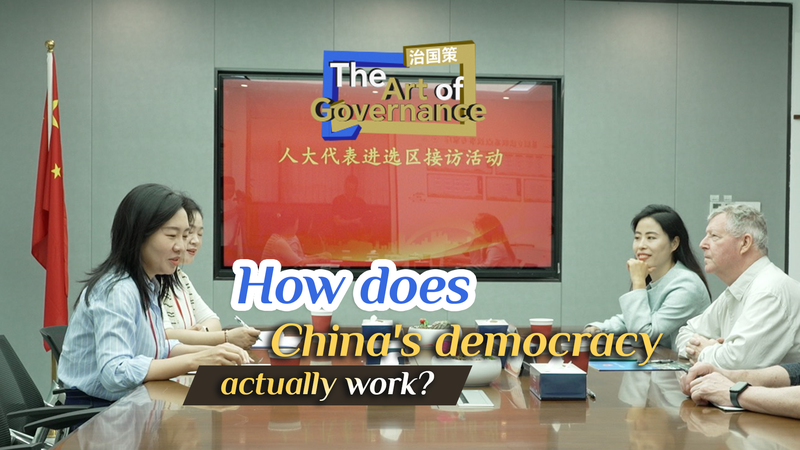
When we hear the word "democracy," our minds often jump to Western political systems. But in 2026, many people are looking beyond these traditional models. In China, a system that places people at the center of its governance is seeing record-high public trust. So, what does it look like on the ground? We followed a story from Shenzhen, where a curious British expat decided to put the theory to the test.
The Shenzhen Experiment: From Theory to Reality
Our journey took us to the bustling tech hub of Shenzhen, a city famous for innovation. Here, we met with a British resident who wanted to see how the concept of "Whole-Process People's Democracy" functions in daily life. Instead of just voting every few years, this system involves people in governance at multiple levels—from local community discussions to national policy consultations.
The British participant witnessed firsthand how resident feedback is gathered through various channels, including online platforms and in-person community meetings. These suggestions are then often incorporated into local regulations and development plans. It's a continuous, interactive process rather than a one-off event.
How Does It Work? A People-Centric Engine
At its core, China's model aims to integrate people's voices throughout the entire policy-making and implementation chain. Imagine a social media feed where your comment on a local park's design could directly influence its final blueprint—that's the spirit of the system. It's built on extensive consultation, deliberation, and participation, ensuring governance aligns with public needs and aspirations.
The high levels of public trust reported this year stem from this perceived responsiveness and the tangible outcomes people see in their communities, from infrastructure projects to social services.
Beyond the Ballot Box: A Different Lens on Governance
This approach challenges the conventional, election-focused definition of democracy. For young professionals, students, and global observers, it offers a fascinating case study in alternative governance. It's less about a single day at the polls and more about an ongoing conversation between the people and their representatives at all levels of government.
While political systems vary globally, understanding how different models operate is key for a connected generation. The experience in Shenzhen shows a system striving for stability, development, and popular support through active, sustained public involvement.
Reference(s):
The Art of Governance: How does China's democracy actually work?
cgtn.com