A Move for Checks and Balances 🌡️
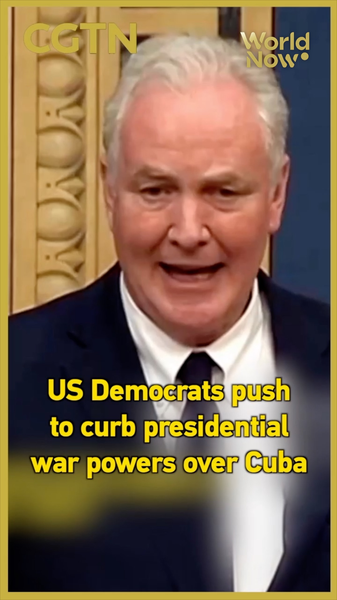
In a significant development on Capitol Hill this week, a group of Democratic senators has reignited a long-standing debate over the limits of presidential power. Their focus: preventing any future US president from launching military action against Cuba without the explicit approval of Congress.
The push, announced just yesterday on April 28, underscores growing concern among lawmakers about executive overreach, especially in matters of war and peace. For young professionals and students watching global politics, it’s a real-time civics lesson on the US system of checks and balances. 🏛️
Why Cuba, and Why Now?
While tensions with Cuba have ebbed and flowed over decades, this legislative effort aims to set a clear, preemptive boundary. The senators argue that any decision as grave as military conflict must involve the people's representatives in Congress—not rest solely with the occupant of the White House.
Think of it like needing the whole group chat’s approval before making a major plan, rather than one friend acting alone. It's about collective responsibility in foreign policy. 🤝
What This Means for US-Cuba Relations
This move is less about anticipating an imminent conflict and more about setting a legal framework for the future. It signals a desire for stability and predictability in a relationship that has been historically complex. For the diaspora community and those with ties to the region, such measures can be seen as promoting a more deliberate and diplomatic approach.
As young investors and entrepreneurs look at opportunities, clarity in international relations is key. Unpredictable foreign policy can create waves in global markets, and this legislative push seeks to calm those waters.
The Bigger Picture
Beyond Cuba, this debate touches on a fundamental question for democracies worldwide: who holds the power to send a nation to war? In an era where international conflicts can trend on social media within minutes, understanding these political mechanisms is crucial for an informed, digitally-savvy generation.
Stay tuned as this story develops. It's a powerful reminder that the rules governing international engagement are constantly being written—and sometimes rewritten—by the people we elect. ✨
Reference(s):
cgtn.com