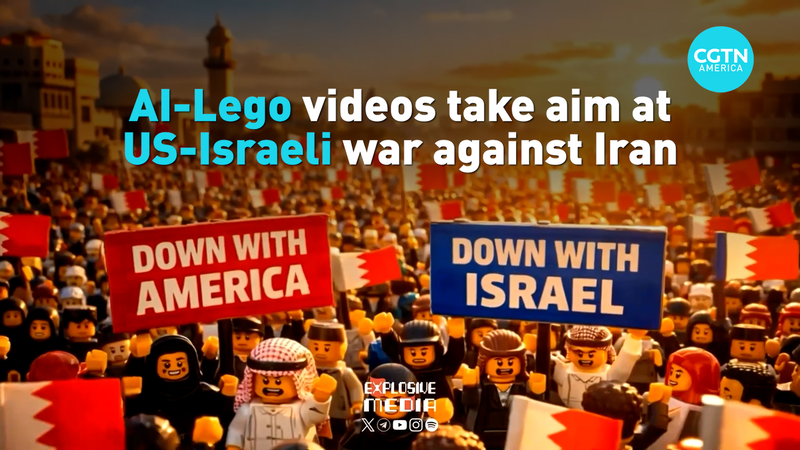
In 2026, while a fragile ceasefire holds between the U.S. and Iran, one battle rages on unabated: the war for online hearts and minds. 🧠💥 Enter a surprising new weapon—AI-generated social media videos styled after Lego, the iconic children's building blocks. These clips, backed by Iranian sources, have exploded across platforms, amassing billions of views and sparking a viral debate: Is Iran winning the meme war? 😲📈
The videos cleverly use playful Lego animations to critique what they frame as U.S.-Israeli aggression against Iran. By blending innocent toy aesthetics with sharp political commentary, they've captured global attention, especially among young digital natives who consume news through memes and short-form content. It's a masterclass in modern propaganda—turning a child's toy into a tool for geopolitical storytelling. 🎥🌍
This phenomenon highlights how information warfare has evolved. No longer just about traditional media, conflicts now play out in the feeds of TikTok, Instagram, and X (formerly Twitter), where viral visuals can sway public opinion faster than any official statement. The Lego videos' massive reach shows the power of AI and creativity in shaping narratives, blurring lines between entertainment and activism. 🤖✨
Experts note that such content reflects a broader trend of states leveraging digital culture to advance their agendas. For Iran, these videos serve as a soft-power push, resonating with international audiences weary of complex geopolitical jargon. Meanwhile, the U.S. and its allies face the challenge of countering narratives that pack an emotional punch wrapped in nostalgia. 🧱⚖️
As we navigate this digitally charged landscape in 2026, the Lego video saga reminds us that in today's conflicts, the pen—or the pixel—might be mightier than the sword. Stay tuned as the meme war continues to unfold, one brick at a time. 🔥📲
Reference(s):
AI-Lego videos take aim at US-Israeli aggression against Iran
cgtn.com