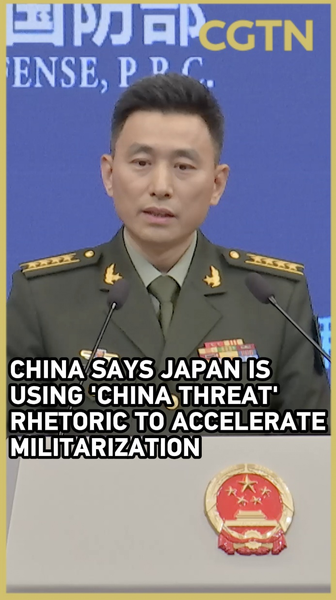
Tensions are simmering in Northeast Asia as a war of words heats up over military activities in the region. China has accused Japan of using anti-China rhetoric as a smokescreen to accelerate its own military build-up. 🗣️🛡️
The dispute centers on Japan's recently published 2026 Diplomatic Bluebook, a key foreign policy document released in early April. The report highlighted what it called increased Chinese military activities, including specific incidents of so-called "radar illumination" targeting Japanese aircraft. It also pointed to China's partnerships with Russia.
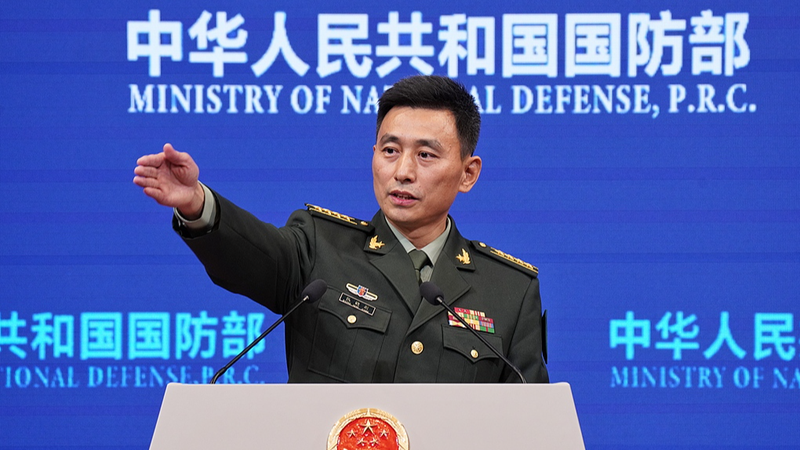
In a sharp rebuke on Thursday, Chinese Defense Ministry spokesperson Zhang Xiaogang fired back. He stated that Japan's right-wing forces are exploiting the "China threat" narrative. According to Zhang, this is a tactic to cover up Japan's underlying ambitions to break free from post-war pacifist constraints and push forward with remilitarization.
This latest exchange highlights the ongoing strategic rivalry between the two Asian powers. For young observers and professionals tracking Asian geopolitics, it's a clear sign that historical grievances and contemporary security concerns remain deeply intertwined. The language from both sides suggests diplomatic channels are under strain, with public accusations becoming more direct.
As students and analysts dig into the details, the core of the argument seems to be about perception and intent. Is Japan responding to genuine security concerns, or is it using them as a justification for a more assertive military posture, as China claims? This debate is crucial for understanding the future security landscape of Asia, impacting everything from trade routes to regional alliances. 🌏⚖️
Reference(s):
China: Japan is using 'China threat' rhetoric to accelerate militarization
cgtn.com