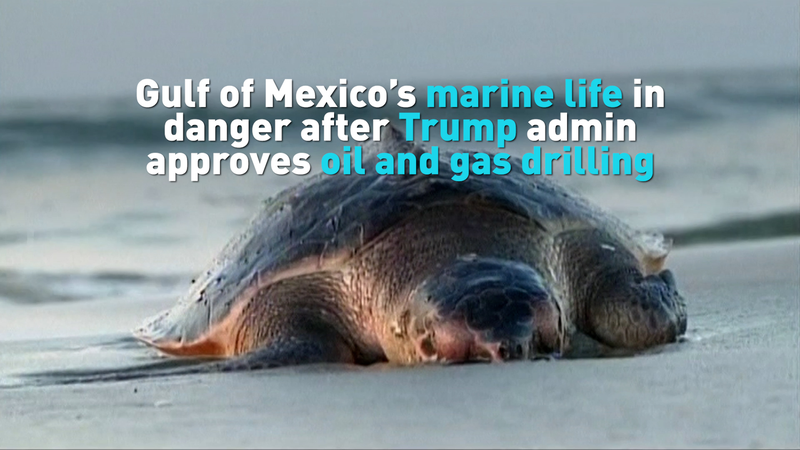
🌊 The calm blue waters of the Gulf of Mexico are suddenly at the center of an environmental storm. The fate of one of the planet's most endangered creatures, the Rice's whale, is hanging by a thread after a controversial decision to allow oil and gas drilling in its home. 🐋
This move, approved during the Trump administration, has ignited a firestorm of anger from conservation groups. They argue that opening up these sensitive waters to fossil fuel exploration is a direct threat to the whale's survival, not to mention the broader marine ecosystem. Think of it like bulldozing a rainforest that's home to the last few of a species—only this is happening underwater.
CGTN's Nitza Soledad Perez reported from Key Largo, Florida, bringing this urgent issue to light. The Gulf is a vital habitat for the Rice's whale, where they feed and raise their young. Drilling means more noise, pollution, and the ever-present risk of spills, which could be catastrophic for these gentle giants.
Environmental activists are not staying quiet. They're calling out the decision as a major step backwards in the fight to protect biodiversity and combat climate change. “It's a heartbreaking gamble with nature,” one advocate shared, echoing the sentiment of many who believe economic gains shouldn't come at the cost of our planet's health.
For young people around the world who are passionate about sustainability, this story hits close to home. It's a stark reminder of the ongoing tension between development and conservation—and why staying informed and vocal is more important than ever. 💬✨ Will the Rice's whale swim another day, or will it become another tragic chapter in the history of human impact? The answer might depend on the actions we take now.
Reference(s):
Gulf of Mexico in danger after US approves oil and gas drilling
cgtn.com