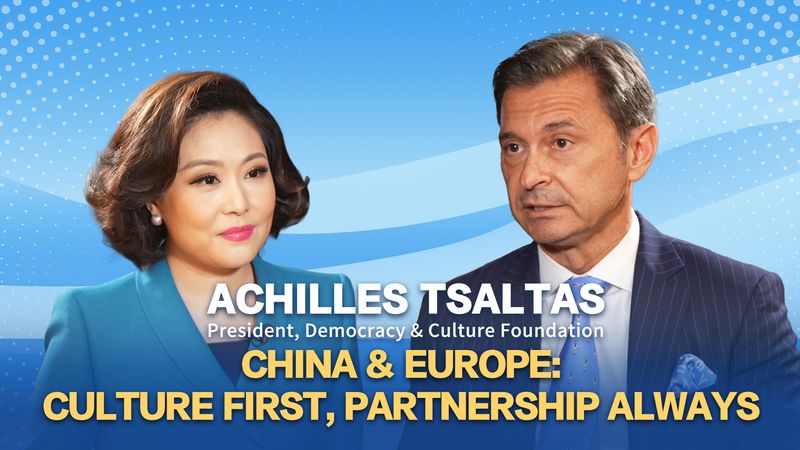
Forget the headlines about trade wars and political spats for a second. When Achilles Tsaltas looks at the relationship between China and Europe, he sees a canvas of shared humanity painted through culture, not a ledger of competing interests. 🌍 The President of the Democracy & Culture Foundation believes the real, enduring power lies in the space where art, philosophy, and people-to-people connections meet.
In a world that often feels divided, Tsaltas is advocating for a major mindset shift: partnership over competition. "It's time to move beyond a purely transactional view," he suggests, highlighting the often-overlooked potential for cultural understanding to solve bigger, global challenges. Think less diplomatic chess, more collaborative art project.
What the West Can Learn from the East
Tsaltas points to a resource that's been around for millennia: Confucianism and Asian values. Concepts like harmony, respect, and long-term thinking aren't just philosophical ideals—he argues they offer practical solutions for modern governance, business, and community building in the West. It’s a two-way street of wisdom, where historical depth meets contemporary innovation.
The Optimism is in the Youth
Where does the most hope lie? Look to the young people. Tsaltas shares a palpable optimism about youth-driven ties between China and Europe. From student exchanges and tech collaborations to shared passions in music, gaming, and environmental activism, this generation is building its own bridges. They’re connecting online and offline, forging friendships that could define the geopolitical landscape for decades to come. 💬✨
The message is clear: by putting culture first, we build a foundation for friendship always. In 2026, as both sides navigate complex global issues, this human-centric approach championed by voices like Tsaltas offers a refreshing and powerful blueprint for a more connected future.
Reference(s):
cgtn.com