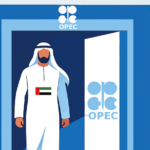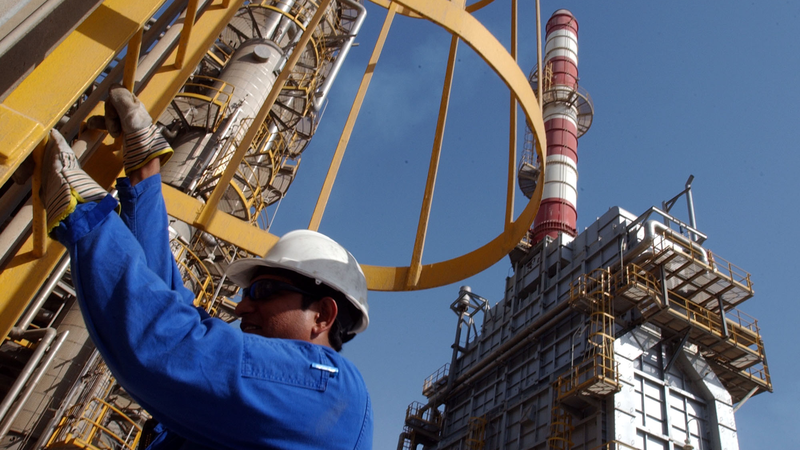
Hold up, oil markets! 🌍⚡️ This week, the global energy scene got a major shake-up. On Tuesday, the United Arab Emirates (UAE), one of the biggest players in the OPEC+ alliance, announced it will leave the group effective May 1, 2026. This move has sent shockwaves through the industry, potentially weakening the alliance's grip on global oil supply and prices.
Wait, What Exactly is OPEC+?
To understand why this is a big deal, let's do a quick explainer. Think of it like the music industry, but for oil.
OPEC (The Original Band): Founded in 1960, the Organization of the Petroleum Exporting Countries is like a classic supergroup of major oil-producing nations. Its core members include Saudi Arabia, Iraq, and the UAE. Their main gig? Coordinate policies to try and keep oil prices stable and profitable for themselves.
OPEC+ (The Expanded Tour): In 2016, OPEC teamed up with other major producers outside the group, most notably Russia, to form OPEC+. This expanded coalition controls a MUCH larger share of global oil output, giving it more power to influence prices by collectively deciding to pump more or less crude.
How Does This Affect Oil Prices? 🛢️💰
Simply put, by controlling supply, OPEC+ tries to control the price. If the world economy is slowing down and demand drops, OPEC+ might agree to cut production. Less oil on the market typically supports higher prices. Conversely, if demand is red-hot, they might increase output to cool prices down and cash in.
This coordinated action is often seen as a stabilizing force, but it requires all members to play ball. When a major producer like the UAE decides to go solo, it throws a wrench in the works.
Why the UAE's Exit Matters
The UAE's withdrawal isn't just a name change. Analysts see it as a move that could:
- Weaken OPEC+'s Power: With one less major producer bound by the group's agreements, it becomes harder to enforce production cuts or caps. Other members might be tempted to pump more oil too, leading to a potential oversupply and lower prices.
- Strain Gulf Ties: The UAE is a key Gulf neighbor to Saudi Arabia, OPEC's de facto leader. This public split could signal deeper disagreements over oil strategy and regional influence.
- Create Market Volatility: Investors and traders hate uncertainty. The question of how the UAE will operate independently—potentially ramping up its own production to capacity—adds a new layer of unpredictability to future oil prices.
The Bottom Line for You
While geopolitics might seem far away, this stuff hits home—literally. The price of crude oil trickles down to what you pay at the gas pump, for plane tickets, and for goods transported around the world. A fractured OPEC+ could mean more volatile energy costs in the months ahead.
So, as the UAE steps out on its own this May, the world will be watching closely. Will other members follow? Will oil prices become a wilder ride? Stay tuned. 🔍📈
Reference(s):
cgtn.com