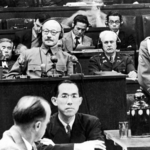
It's 2026, and a powerful piece of history just got a whole lot more accessible. This year marks the 80th anniversary of the Tokyo Trial, a landmark series of military tribunals that brought Japanese war criminals to justice after World War II. Now, eight decades later, the official court documents have a new voice.
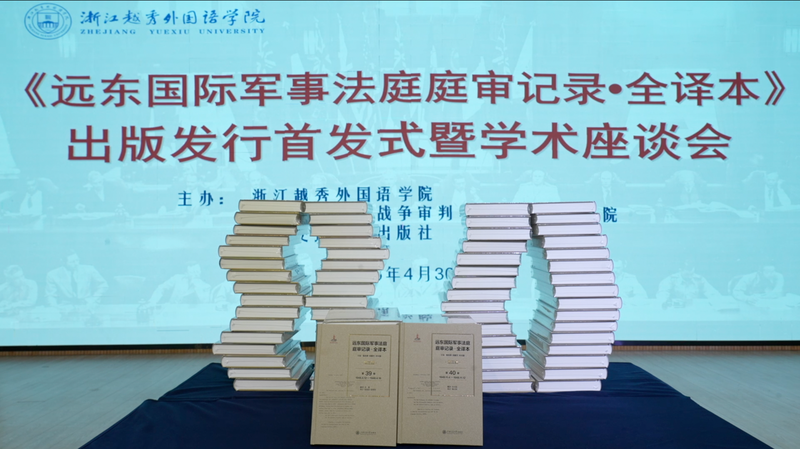
In the culturally rich city of Shaoxing, located in China's Zhejiang Province, a significant project has reached completion: the Chinese translation of the Tokyo Trial court records has been released. This isn't just about translating words from one language to another; it's about unlocking a crucial chapter of 20th-century history for a new generation of readers and researchers.
Why does this matter today? For young people around the globe, especially students, academics, and history enthusiasts, primary sources like these are the key to understanding our shared past. They move beyond textbook summaries, offering the raw, unfiltered proceedings of a trial that shaped the post-war world order. Think of it as the ultimate deep-dive podcast episode, but for history buffs.
The release in Shaoxing—a city with its own deep historical tapestry—adds another layer of cultural significance. It connects a local initiative with a global historical event, showcasing how communities are actively participating in preserving our collective memory.
As we navigate 2026, with information at our fingertips, this translation serves as a vital resource. It ensures that the facts, testimonies, and legal judgments of the Tokyo Trial are preserved and can be studied by anyone seeking to understand the complexities of war, justice, and reconciliation. It’s a reminder that history isn't a static subject but a living dialogue, constantly being revisited and reinterpreted.
Reference(s):
Tokyo Trial 80 years on: Chinese translation of court records released
cgtn.com