
Feeling like the world is changing faster than your career plan? 🚀 You're not alone. And in China, the transformation is more than just a feeling—it's a full-blown economic makeover. With the global economy on edge, China is shifting gears, moving from sheer size to next-level smarts. The game now? Technological innovation that's upgrading entire industries and birthing a whole new world of work.
Forget the classic career paths. The hottest jobs in 2026 are the ones you might not have heard of yet. They're born at the intersection of the green revolution and the digital age, and they're reshaping what it means to work in today's China. Let's meet the six rockstars of this new professional landscape: the pilots, the planners, the engineers, and the digital wizards defining the future.
👨✈️ The Drone Swarm Flight Planner
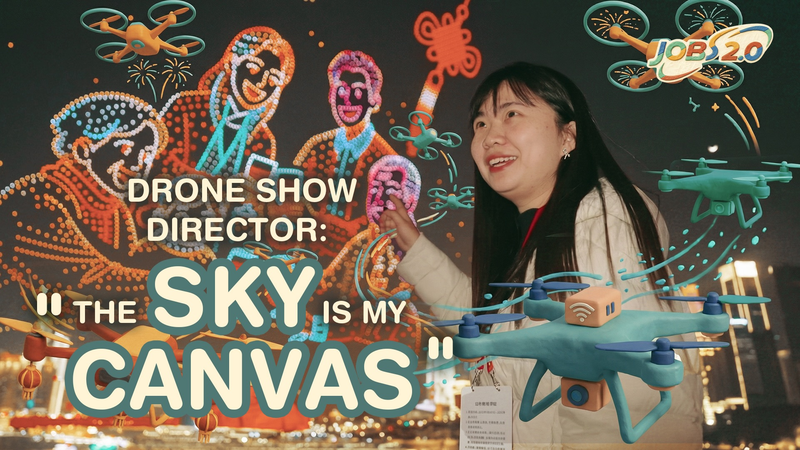
Move over, drone hobbyists. In China's smart cities and vast farmlands, drone swarm flight planners are the new VIPs of the sky. Think of them as the orchestra conductors of the low-altitude economy. They don't just fly one drone; they choreograph dozens, sometimes hundreds, of autonomous aircraft simultaneously. Using brains powered by super-smart AI, they map out complex delivery routes, manage agricultural fleets that blanket fields, and orchestrate those mind-blowing synchronized light shows you've seen online. It's a mix of aerospace engineer, logistics master, and code wizard—all rolled into one. Talk about a high-flying career!
🎣 The "Digital Fishermen"
No, they're not playing a video game. These tech-savvy professionals are the new guardians of China's booming aquaculture industry. They use sensors, underwater drones, and big data analytics to monitor fish health, optimize feeding schedules, and predict environmental changes in massive offshore farms. They're part marine biologist, part data scientist, ensuring sustainable seafood reaches plates around the world.
🤖 The Robot Trainer
As robots move from factory floors to hospitals, hotels, and homes, someone needs to teach them manners and skills. Enter the robot trainer. This role involves programming, debugging, and fine-tuning robotic systems for specific, often delicate, tasks. They're the bridge between cold hardware and warm human interaction, ensuring that robots can assist surgeons, guide guests, or help the elderly safely and effectively.
🏙️ The Twin City Planner
Imagine building and running an entire city… inside a computer. That's the reality for twin city planners. They create ultra-realistic digital replicas of physical cities—complete with traffic flows, energy grids, and population movements. Governments and companies use these "digital twins" to simulate everything from the impact of a new park to emergency evacuation plans, making urban living smarter and more resilient.
💨 The Offshore Wind Engineer
With the push for clean energy stronger than ever, offshore wind engineers are the superheroes of the green transition. They design, build, and maintain massive wind farms out at sea. This job combines marine engineering, renewable energy expertise, and a serious sense of adventure, tackling powerful ocean forces to harness the wind's power for millions of homes.
♻️ The Waste-to-Energy Engineer
Turning trash into treasure isn't a fairy tale anymore. Waste-to-energy engineers are making it a reality. They design and operate facilities that convert municipal solid waste into electricity, heat, or even biofuel. It's a critical role in the circular economy, tackling two major challenges at once: reducing landfill waste and generating clean power.
These six roles are just the tip of the iceberg. 🌊 They represent a fundamental shift: China's industrial upgrade isn't just about new machines; it's about creating new human potential. These jobs offer more than a paycheck; they're structural opportunities that are driving social change, demanding hybrid skills, and proving that the future of work is already here.
For young professionals, students, and entrepreneurs watching the global stage, China's job market transformation is a powerful signal. It shows that adaptability, continuous learning, and a willingness to blend disciplines are the ultimate career hacks for the 21st century. The message is clear: the future belongs to the builders, the planners, and the problem-solvers.
Reference(s):
cgtn.com


