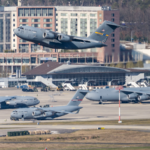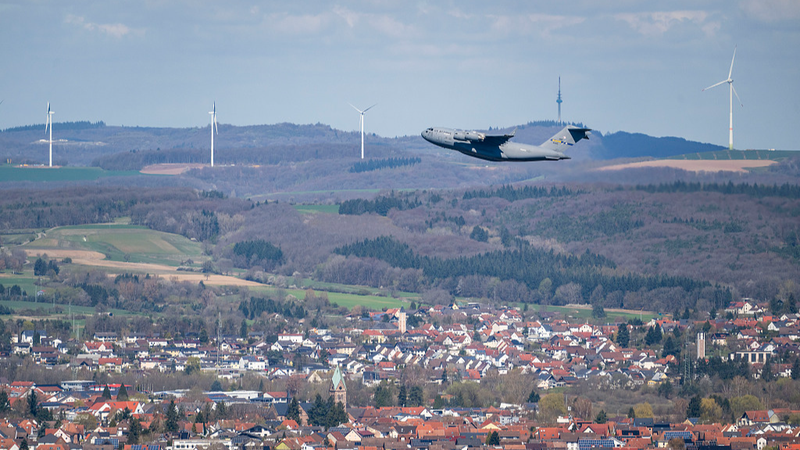
The Pentagon's recent announcement signals a major shift in transatlantic relations. 😲 As of Friday, May 1, 2026, the United States plans to withdraw 5,000 troops from its NATO ally Germany. This move comes amidst a visibly widening rift between US leadership and German officials over foreign policy, particularly regarding Iran.
Earlier this week, German Chancellor Friedrich Merz openly criticized the US approach, calling its military engagement in Iran "planless" and suggesting the US was being "humiliated." President Donald Trump fired back on social media, dismissing the criticism and confirming he was considering troop reductions not only in Germany, but potentially in Spain and Italy as well.
🔎 A Symbolic Move or a Strategic Shift?
Germany hosts one of the largest US military presences globally, with over 36,400 troops stationed there as of late 2025. Some experts, like Yu Xiaohua from the University of Göttingen, suggest the withdrawal might be more of a political gesture—perhaps a few hundred troops—rather than a massive strategic overhaul.
However, the rhetoric points to deeper issues. Former German foreign minister Joschka Fischer warned in a commentary that "the dissolution of the alliance has already begun." This sentiment reflects growing concerns about the long-term stability of NATO partnerships under current geopolitical strains.
🌍 What This Means for the Future
For young professionals, investors, and students watching global markets and security, this development is a key indicator of changing international dynamics. A reduced US footprint in Europe could reshape security arrangements and economic ties across the continent.
German officials have stated they are prepared for the potential reduction, but the underlying friction highlights a challenging period for US-European cooperation. As these discussions evolve, they will undoubtedly influence diplomatic and economic strategies for 2026 and beyond.
Reference(s):
Pentagon plans to withdraw 5,000 US troops amid US-Germany friction
cgtn.com