Diplomatic tensions are back in the spotlight this year as a new peace proposal from Iran lands on the US President's desk, only to be met with immediate skepticism. 🕊️💥
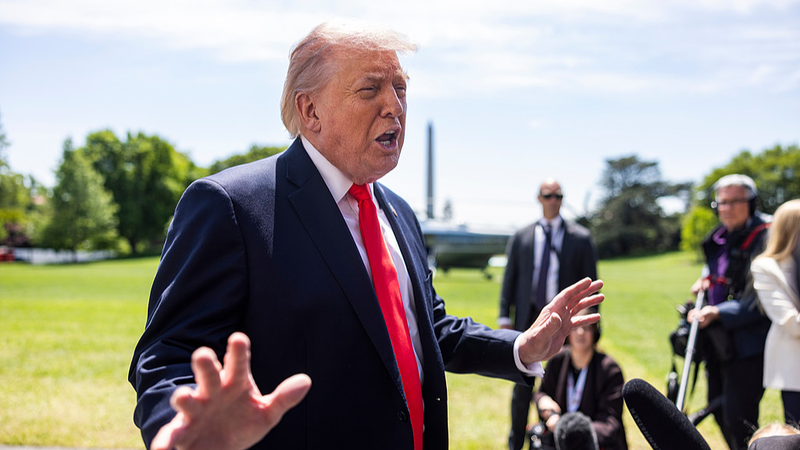
US President Donald Trump said on Saturday, May 2nd, that he is reviewing the plan but warned that resuming strikes against Iran remains "a possibility." "I will soon be reviewing the plan that Iran has just sent to us, but I can't imagine that it would be acceptable," Trump told reporters.
The proposal, delivered through Pakistan, marks a significant moment in the ongoing regional standoff. Iran's Deputy Foreign Minister, Kazem Gharibabadi, emphasized that while Tehran favors diplomacy, it is prepared to defend itself against any aggression.
What's in Iran's Plan? 📜
According to reports, Iran submitted a detailed 14-point counterproposal to a previous US plan. The key differences are stark:
- Timeline: While the US sought a two-month ceasefire, Iran wants key issues resolved within 30 days, focusing on "ending the war" rather than just a temporary pause.
- Demands: Iran's list includes the withdrawal of US forces from areas near its borders, guarantees of non-aggression, and the lifting of economic pressures.
- Economic Measures: The proposal calls for lifting the naval blockade, releasing frozen Iranian assets, easing sanctions, and providing compensation.
- Regional Scope: It also seeks an end to hostilities in places like Lebanon and proposes a new governing mechanism for the Strait of Hormuz, the world's vital oil shipping chokepoint.
The Global Ripple Effect 🌍
Iranian Foreign Minister Seyed Abbas Araghchi has been busy briefing counterparts across Asia and Europe, from Türkiye and the ROK (South Korea) to Russia and the EU. The message is consistent: Iran is open to talks if the US drops its "maximalist approach."
The situation has tangible economic consequences. Since recent attacks, Iran has tightened control over the Strait of Hormuz. In a move straight out of a geopolitical thriller, the US Treasury warned this past Saturday that any shipping company paying Iran for passage—even via "charitable donations"—could face sanctions. Reports suggest passage for a single vessel might cost upwards of $2 million.
As of now, the world watches and waits. Will 2026 see a breakthrough in diplomacy, or are we headed for further escalation? All eyes are on Washington's next move.
Reference(s):
cgtn.com