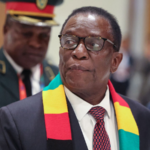
Zambia is making headlines for its firm stance against a United States proposal that would tie health funding to access to critical minerals. In a statement released Monday, Foreign Minister Mulambo Haimbe voiced strong opposition to the terms, saying negotiations over a proposed health agreement have stalled because of privacy‑invading data‑sharing clauses.
The US had offered up to $2 billion in health support over five years, but the deal included provisions that would violate Zambians’ right to privacy, according to Haimbe. He didn’t specify exactly what health data the US was after, but the message was clear: The minister emphasized: No compromise on privacy.
What’s more, Zambia objects to the way a separate critical‑minerals agreement is being stitched together with the health MOU. “The government has been consistent that the agreements must be considered separately on their respective merits,” Haimbe said, urging Washington to decouple the two deals.
This isn’t an isolated case. Ghana and Zimbabwe have already turned down similar MOUs that demanded data sharing, reflecting a growing trend across Africa where nations push back against foreign aid that comes with strings attached.
The US State Department declined to comment on the specifics of bilateral talks, and outgoing US ambassador Michael Gonzales had earlier criticized Zambia for not engaging with the health funding offer. Haimbe fired back, insisting Zambia is ready to talk—but only on equal footing.
For now, the talks remain stalled, but Zambia’s stand is resonating with many who say development aid should uplift, not infringe on sovereignty. 🌏💪
Reference(s):
Zambia says US health deal must be uncoupled from minerals access
cgtn.com