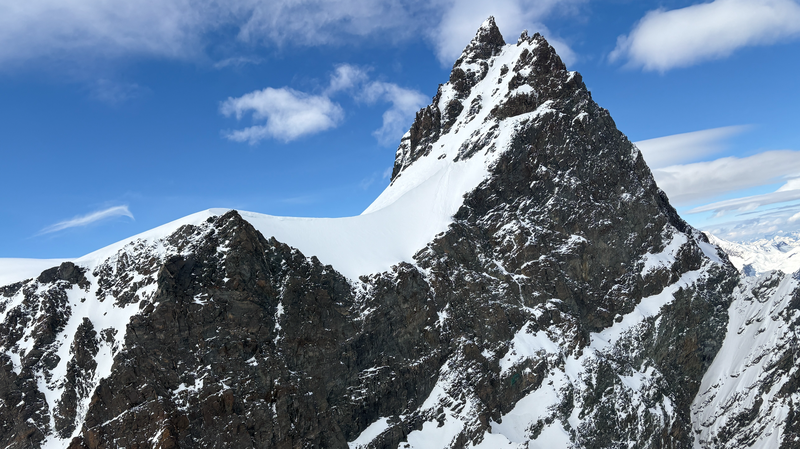
Imagine a winter wonderland spanning eight countries and over 1,200 kilometers of breathtaking peaks. That's the European Alps—a global icon for skiers and nature lovers. But if you look closer, the vibe is shifting. Over the last century, snowfall has dropped by more than a third, and it's creating a ripple effect that's hitting everything from safety to the local economy. 📉
To get the real story, Gabrielle Lawrence headed to the Monte Rosa massif in northern Italy. At over 3,000 meters, the Angelo Mosso Institute is basically the high-altitude HQ for snow research. Professor Michele Freppaz has been digging deep into the snow layers, and the results are a bit concerning. He's found that warming climates are creating "depth hoar"—weak crystal formations that make the snowpack unstable. In plain English? Avalanches are becoming way harder to predict and manage. ⚠️
It's not just the scientists noticing. Arnoldo Welf, a seasoned mountain guide, says the seasons are totally glitching. December is seeing less snow, spring snow is getting wetter, and even the explosives used to trigger controlled slides aren't working as reliably as they used to. It's a total game-changer for mountain safety.
Down in the valley, the ski industry is in survival mode. Giorgio Munari, who runs Monterosa Ski, revealed a shocking stat: 90% of their pistes now rely on artificial snow. While these snow cannons don't use chemicals, they guzzle electricity and water. With low-altitude resorts already closing across Europe, Munari warns that if the snow disappears, the people will too, potentially leaving these stunning mountains uninhabited. 🏘️❌
But this isn't just about skiing. Glaciers like the Lys have retreated by over a kilometer in the last century. This is a huge deal because these glaciers act as water towers for agriculture, hydropower, and millions of people living downstream. No glaciers = no water security. 💧
Is there a silver lining? Yes! 🌟 New tech, like cosmic ray neutron sensors, is allowing researchers to measure the water stored in snow in real-time, giving us better data to fight back. Professor Freppaz remains optimistic, noting that the responsibility now falls on the new generation to step up and take better care of these iconic peaks. Let's make sure the Alps stay frosty for years to come! 🌍✨
Reference(s):
cgtn.com