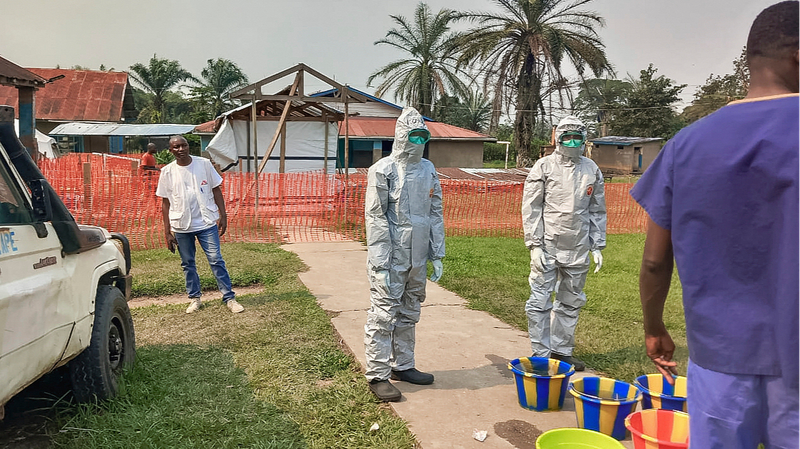
Imagine trying to fight a deadly virus while bombs are literally falling around you. That's the heartbreaking reality right now in the eastern Democratic Republic of Congo (DRC). 🚨
A Catastrophic Collision 💥
Today, May 27, the World Health Organization (WHO) sounded a loud alarm. Director-General Tedros Adhanom Ghebreyesus described the current crisis as a "catastrophic collision of disease and conflict."
The culprit? A specific version of the virus known as the Bundibugyo strain. Here is the scary part: there is currently no approved vaccine or treatment for this particular strain, meaning health workers are fighting an uphill battle. 🏥
Why the Conflict Matters 🛑
You might wonder why a ceasefire is necessary for a health crisis. Well, the fighting is making containment almost impossible. Clashes are forcing people to flee their homes and move into overcrowded camps, which acts like a highway for the virus to spread. Plus, attacks on health facilities mean that tracking cases is becoming a dangerous guessing game. 📉
"We cannot build community trust or isolate the sick while bombs are falling," Tedros warned, emphasizing that humanitarian access is the only way to stop the transmission.
The Numbers and the Ripple Effect 📊
Since mid-May, the situation has escalated quickly:
- 900+ suspected cases across Ituri, North Kivu, and South Kivu provinces.
- 10 confirmed deaths and over 200 suspected deaths.
- Neighboring Uganda has already recorded seven cases and has taken the drastic step of closing its border with the DRC with immediate effect. 🚧
What's Next? ✨
There is some hope: donors have pledged about $500 million to help. However, getting that aid to the people who need it is a struggle because of the ongoing violence. Director-General Tedros is expected to visit the region later this week to see the situation firsthand. ✈️
The message is clear: to stop the virus, the guns have to go silent. 🌍💬
Reference(s):
cgtn.com