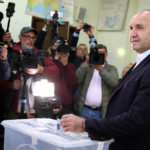
Get ready, world! Ethiopia is just a few days away from a massive political moment. On June 1, 2026, the country will head to the polls for its 7th general election, and the numbers are absolutely wild. 📈
We are looking at a record-breaking 50.5 million-plus registered voters! That is a huge 32% jump compared to the 2021 polls. In a country of over 130 million people, this surge shows a massive wave of public engagement. A big shout-out to the National Electoral Board of Ethiopia (NEBE), whose digital innovations in voter and candidate registration have basically given the process a high-tech glow-up, making it easier for people to get involved. 💻✨
What's actually on the line? 🤔
It's not just about casting a ballot; it's about who runs the show. Here is the breakdown of what's at stake:
- The House of Peoples’ Representatives (HPR): Voters will elect 547 members to this lower house. The party or coalition that grabs the majority (at least 274 seats) gets to form the government and nominate the Prime Minister.
- Regional Power: Elections are also happening for regional state councils. In Ethiopia's ethnic federalist system, these councils are the real MVPs when it comes to local governance, health, education, and managing resources.
- The Upper House: While you don't vote for the House of the Federation directly, its 112 members are chosen by those regional councils, making the local results even more critical.
The Reality Check ⚠️
While the energy is high, it's not all smooth sailing. As we count down to June 1, there are serious concerns. Large parts of the country are still dealing with the aftermath of violence, leading to fears that millions of people might be disenfranchised and unable to vote. It's a tense balance between the excitement of a record turnout and the hope for a peaceful, inclusive process. 🌍💬
Whether you are a student of international relations, a global investor, or just someone who loves staying updated on world events, all eyes are on Ethiopia this weekend! 🗳️✨
Reference(s):
cgtn.com