The Global Ripple Effect 🌊
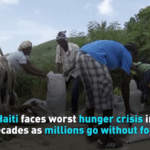
Imagine waking up to find your basic groceries and transport costs skyrocketing overnight. For millions of people, this isn't a bad dream—it's the reality caused by the ongoing conflict in Iran. The UN World Food Programme (WFP) has just dropped a sobering report titled 'Food Security Under Pressure: How the Middle East Crisis is Impacting Vulnerable Countries,' and the news is heavy. 📉
The WFP warns that an additional 6.1 million people are now at risk of acute food insecurity across Somalia, Afghanistan, and Sri Lanka. This brings the total number of people at risk to a staggering 45 million, largely because oil prices have remained stubbornly high.
Why Oil Matters for Your Plate ⛽️🍞
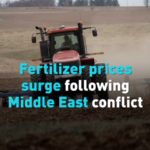
It might seem strange that a war in one region affects food in another, but it's all connected. The US-Israeli war in Iran and the blockade of the Strait of Hormuz have sent energy prices through the roof. When oil prices jump, the cost of transporting food and producing goods spikes, leaving families with way less purchasing power.
- Somalia: Nearly 60% of households can't afford basic necessities due to soaring jet fuel prices blocking aid.
- Afghanistan: Supply chain chaos has pushed transport costs up by 2.5 to 5 times, with delivery times stretching from 10 days to 75 days!
- Sri Lanka: Reliance on Middle East remittances and tea exports has led to massive income shocks for millions of families.
Brent crude oil, the global benchmark, surged from $73 to a peak of $126 in April. While it's currently hovering around $94, the volatility is keeping global markets on edge. 📉💸
Heartbreak in Lebanon and Gaza 🇱🇧🇵🇸
The humanitarian situation on the ground is just as critical. The UN has doubled its appeal for aid in Lebanon, as a quarter of the population now needs urgent assistance. Despite a conditional ceasefire, the violence hasn't stopped; just 24 hours after the agreement, Israeli bombardment in the city of Tyre left seven people dead.
Meanwhile, in Gaza, Israeli airstrikes have killed at least 11 Palestinians in a single day. It's a grim reminder that since the US-brokered ceasefire in October 2025, almost a thousand Palestinians have lost their lives. In the West Bank, tensions remain high after an 18-year-old Palestinian man was shot dead by Israeli forces.
Geopolitical Deadlock 🔒
Beyond the humanitarian crisis, the diplomatic situation is stalled. A confidential report reveals that the UN's nuclear watchdog is currently unable to inspect Iran's nuclear facilities following strikes by the US and Israel last June. Adding to the tension, Petroleum Development Oman (PDO) recently had to deny reports of a drone attack at their Mina Al Fahal terminal to calm market nerves.
As the world watches and waits for a peace deal between the US and Iran, the most vulnerable populations continue to pay the highest price. Stay informed and stay empathetic. ✨🌍
Reference(s):
Millions pushed into hunger by Iran war, UN doubles Lebanon appeal
cgtn.com