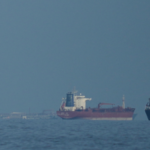
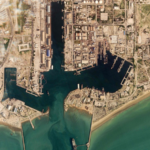
Ever wonder why your gas prices might be acting up? Look no further than the Strait of Hormuz, a critical maritime "chokepoint" that is currently the center of a global energy drama. 🌍
Here is the tea: Global ratings agency Fitch just bumped up its average Brent crude forecast for 2026 from $70 to a whopping $87 a barrel. Why the jump? Because the Strait of Hormuz—a narrow waterway linking the Persian Gulf with the Gulf of Oman—is facing some serious disruptions. 📉
How did we get here?
Things took a sharp turn in late February. On February 28, joint US-Israeli strikes hit Iran, which triggered a wave of retaliatory strikes from Tehran. This sparked a conflict that has essentially turned one of the world's busiest shipping lanes into a ghost town.
The Numbers are Wild 📊
To give you an idea of the scale, between February 1 and 27, an average of 129 ships crossed the strait every single day. Now? Shipping monitors like LSEG and Kpler report that only about three tankers a day are making the trip. That is a massive drop for a route that handled 25% of global seaborne oil trade in 2025!
Tolls and Tensions
Iran has tightened its grip on the waterway, restricting vessels it considers "hostile" and—get this—starting to charge transit fees. According to Iranian deputy parliament speaker Hamidreza Haji-Babaei, Tehran has already started collecting revenue from these tolls as of late April. 💸
Meanwhile, the vibe remains tense. Peace negotiations reportedly collapsed in mid-April, leading the US to step up naval operations. As of June 4, US Central Command shared that they have redirected 127 commercial vessels and disabled six ships that weren't following the rules, while still letting 36 humanitarian aid ships pass through. 🚢⚓️
With the world's energy flow squeezed and diplomacy hitting a wall, the eyes of the global market are firmly fixed on this narrow strip of water. Stay tuned as this situation unfolds! ✨
Reference(s):
The Strait of Hormuz closure: How it happened and what it led to?
cgtn.com