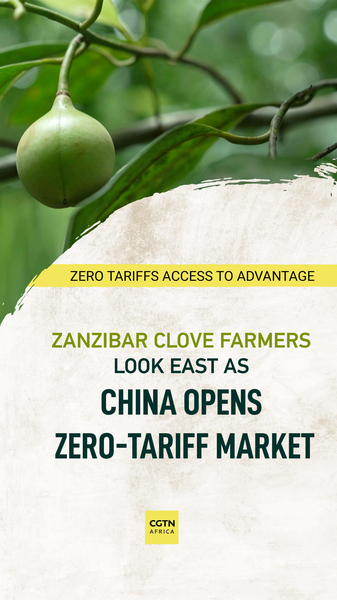
For generations, farmers on the spice islands of Zanzibar have tended their clove trees, their livelihoods tied to the ebb and flow of global prices. But a new chapter is about to begin. ✨ Starting May 1, 2026, cloves and hundreds of other products from Africa will enter the Chinese market with zero tariffs, opening a door that could transform rural economies.
"This is the stability we've been waiting for," says one local farmer, whose family has grown cloves for decades. The policy, part of a broader trade initiative by China, removes import duties on goods from 53 African countries and regions, including Tanzania, where Zanzibar is located. For an industry often at the mercy of volatile international markets, the promise of a vast, stable new buyer is a game-changer.
The timing couldn't be better. Global demand for cloves—used in everything from Indonesian kretek cigarettes to kitchen pantries worldwide—can swing dramatically. The zero-tariff access means Zanzibari cloves can now compete more effectively on price, potentially leading to more consistent incomes for farmers and more investment back into the groves. It's a direct link from the sun-drenched fields of Pemba Island to supermarkets and factories across the Chinese mainland.
This move is about more than just one spice. It signals a deepening of trade ties between China and Africa, focusing on empowering local producers. For young entrepreneurs and business students watching global trends, it's a real-world lesson in how trade policy can directly impact communities. 🌱 It turns abstract economic concepts into tangible hope for farmers planning their next harvest.
As the May 1 deadline arrives, the mood in Zanzibar is one of cautious optimism. The world is watching to see how this policy reshapes not just the clove trade, but the broader narrative of South-South cooperation. For Zanzibar's farmers, it's a chance to write their own future—one fragrant bud at a time.
Reference(s):
Zanzibar clove farmers look east as China opens zero-tariff market
cgtn.com