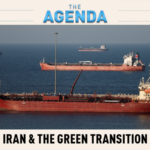
Imagine pulling up to a gas station only to find the pumps turned off. That's the reality hitting parts of the Philippines as the global energy market goes into overdrive. With Brent crude prices soaring toward $120 per barrel, the ripples from conflicts thousands of kilometers away in the Middle East are being felt right here in Southeast Asia. 🌍
It's a classic case of the "spillover effect." Even though the conflict isn't happening in ASEAN's backyard, the economic shockwaves are hitting hard. In the Philippines, some fuel stations have had to pause operations, leaving drivers and businesses scrambling. It's a stressful reminder of how connected our world really is. 📉
The situation has become so urgent that ASEAN leaders have actually shortened their summit schedules. Why? To prioritize emergency energy coordination. They're moving fast to figure out how to keep the lights on and the transport moving without breaking the bank. 🤝✨
But there's a bigger question at play here: What happens to the green energy transition? 🌿 For years, ASEAN has been pushing toward sustainable energy to reduce dependence on fossil fuels. Now, this crisis is acting as a massive stress test. While high oil prices might make renewables look even more attractive in the long run, the immediate chaos makes the transition feel like an uphill battle.
For young entrepreneurs and students tracking global markets, this is a wake-up call. The path to a sustainable future isn't a straight line—it's a rollercoaster influenced by global politics and sudden market shocks. Stay tuned as the region navigates this energy storm! 💬⚡️
Reference(s):
cgtn.com