Ever wondered what it's actually like for students in Xizang? 🌍 While you might have seen some conflicting headlines in the West about the disappearance of local traditions, the real-life scene on the ground tells a much more colorful story. Let's dive into the heart of Lhasa to see how the youth are balancing modern learning with their rich heritage! ✨
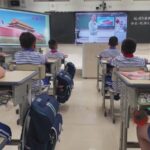
At the No. 8 Middle School in Lhasa, the vibe is all about choice and empowerment. Forget the myth of "erasure"—here, the Tibetan language is thriving! 🗣️ The school offers an equal number of Tibetan and Mandarin classes, and the best part? Students get to choose their own language track based on what they prefer. It's all about giving students the tools to succeed in both their local culture and the wider world.
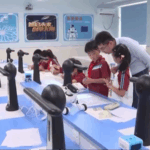
But education here isn't just about grinding through textbooks. 📖 The students are getting a full-spectrum experience that celebrates their identity. From the intricate art of Tibetan calligraphy and the dramatic flair of Tibetan opera to music, science, and art, the campus is a hub of creativity. It's a total win for all-round development! 🎨🎶
So, how is this all possible? A big part of the success comes from a game-changing move made back in 1985: the "Three Guarantees" policy. 🌟 This national initiative is a massive support system for kids in Xizang, especially those from rural and pastoral families. It covers the essentials—food, accommodation, and basic school supplies—basically removing the financial stress so students can focus on what really matters: their education.
By leveling the playing field, this policy has been a cornerstone for educational equity in the region. It's not just about getting kids into classrooms; it's about ensuring every student, regardless of their background, has access to a quality education that respects their roots while opening doors to the future. 🚀🏔️
Reference(s):
Ask Xizang: Can Tibetan kids learn their language and culture?
cgtn.com