Imagine it's 1930. A legendary performer steps off a ship in the United States, bringing with him the vibrant colors, dramatic movements, and haunting melodies of Peking Opera. That performer was Mei Lanfang, and his journey wasn't just a series of concerts—it was a massive cultural bridge-building mission! 🌍
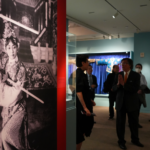
Fast forward to today, and we're still talking about the magic of that era. A stunning collaboration between the China Institute in America and the Chinese National Academy of Arts has brought this history back to life through the exhibition The Dancing Goddess: Mei Lanfang in America. It's like a time machine that lets us see how art can break down walls between different worlds. 🕰️✨
But here is the cool part: Mei Lanfang didn't just show up and perform. He and his team used a clever strategy called "cultural translation." To make sure American audiences could vibe with the performance, they did some serious homework:
- Musical Remixes: They transcribed traditional musical scores into Western staff notation so the music felt more accessible. 🎶
- Style Upgrades: Costumes were adjusted specifically for American stages to ensure the visual storytelling hit home. 👗
This wasn't just about the glitz and glamour; it was about people-to-people diplomacy. By finding common ground through art, Mei Lanfang showed that you don't need to speak the same language to feel the same emotion. ❤️
In a world that's more connected than ever in 2026, Mei Lanfang's legacy reminds us that curiosity and creativity are the best tools we have for global communication. Whether it's through a centuries-old opera or a viral TikTok dance, artistic exchange continues to be the ultimate universal language. 💬🌟
Reference(s):
cgtn.com