In a move that feels like a tense season finale cliffhanger, the standoff between the United States and Iran continues this week with a precarious ceasefire extension. 🇺🇸🇮🇷
US President Donald Trump announced he would extend the ceasefire with Iran, but with a major catch: it hinges on progress in talks between the two nations. He stated the controversial blockade of Iranian ports will stay until Tehran presents what he termed a "unified proposal."
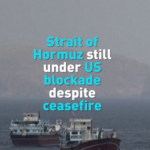
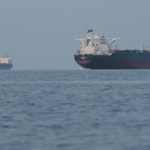
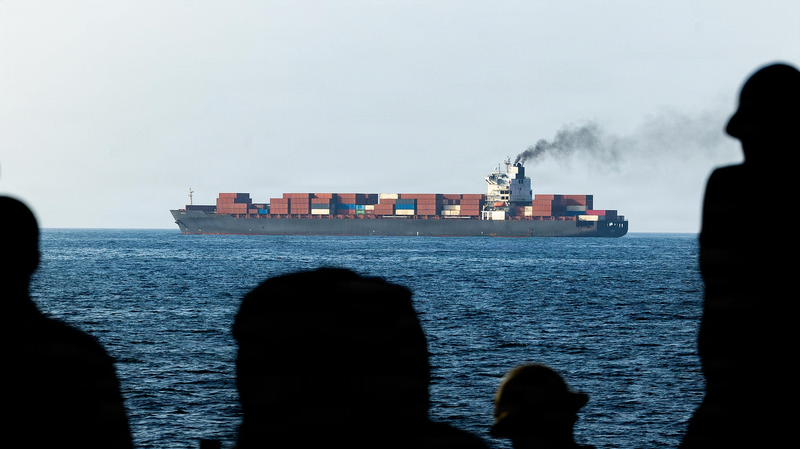
The situation escalated almost immediately after Trump's remarks. Iranian media reported attacks on three cargo ships in the critical Strait of Hormuz. This vital waterway is like the Suez Canal of the Middle East, and any disruption sends shockwaves through global energy markets. ⛽️🌊
Right now, the status of any talks is super unclear—think "radio silence" level of uncertainty. US Vice President JD Vance did not make a previously expected trip to Islamabad on Tuesday, adding to the mystery. On the Iranian side, there's been no official response to Trump's latest move.
However, an adviser to Iran's parliamentary speaker was quick to dismiss the ceasefire extension, calling it "a ploy to buy time for a surprise strike" and saying it "means nothing." This back-and-forth highlights the deep mistrust and high-stakes poker game playing out.
For young professionals watching global markets or students studying international relations, this is a real-time case study in diplomacy (or the lack thereof). The extended ceasefire, while preventing immediate large-scale conflict, does little to resolve the underlying tensions. The attacks in the Strait of Hormuz remind everyone how quickly things can spiral.
As of April 2026, the world is watching and waiting to see if this pause leads to a breakthrough or simply delays another chapter in this long-running geopolitical drama. 🔍✨
Reference(s):
Live: Ceasefire extended as uncertainty clouds US-Iran talks
cgtn.com