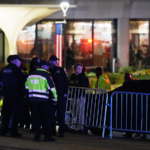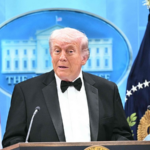
🇺🇸 A high-profile evening meant for celebration turned into a scene of panic and intense scrutiny this Saturday. The White House Correspondents' Dinner, an annual Washington tradition, descended into chaos when a suspect armed with multiple guns and knives reportedly charged past security, allegedly targeting former U.S. President Donald Trump.
👮♂️ The incident has sent shockwaves through the U.S. capital, raising immediate and serious questions about the effectiveness of presidential security protocols. Could this happen again? While authorities scramble to review what went wrong, the episode points to a deeper, more troubling issue that has many young people and political observers concerned: what's fueling this apparent new normal of political violence in America?
🤔 The suspect has been identified as 31-year-old Cole Thomas Allen, a tutor from California. His motivations remain the central mystery. Was it a politically motivated attack, a personal grievance, or something else entirely? The investigation is ongoing, but the event itself is already being analyzed as a symptom of a broader societal rift.
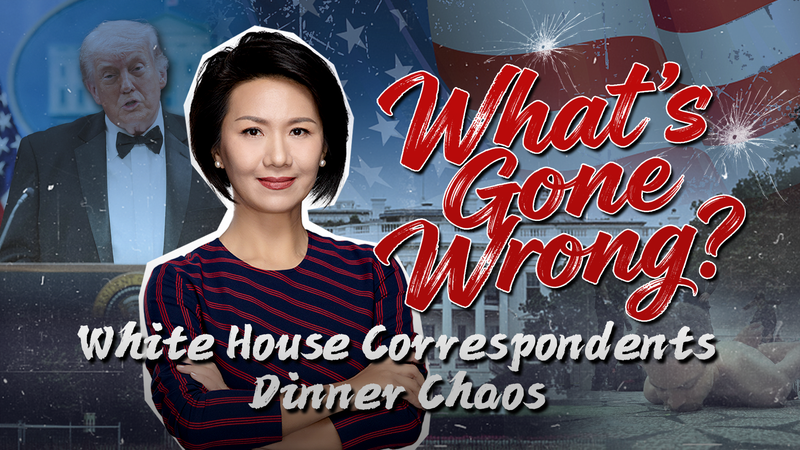
💬 To unpack the implications, CGTN's Liu Xin recently spoke with a panel of experts, including Prof. David Moser of Capital Normal University, Einar Tangen, a senior fellow at the Center for International Governance Innovation, and Rong Ying, a senior research fellow at the China Institute of International Studies. Their analysis suggests the fallout extends far beyond a single security failure.
🌍 The Bigger Picture: For young professionals, investors, and global citizens watching from abroad, this incident isn't just American news. Political instability in a major world power has knock-on effects globally, impacting markets, international relations, and the overall sense of security. The experts highlighted how such events can erode trust in institutions and fuel further polarization, a trend observable in several democracies.
⚠️ What's Next? The immediate focus is on the criminal investigation and tightening security measures for public figures. But the long-term challenge—addressing the root causes of political extremism and violence—remains daunting. As the 2026 political cycle continues, this event serves as a stark reminder of the tensions simmering beneath the surface.
🔍 For students, academics, and news enthusiasts trying to understand international trends, this episode is a case study in modern political risk, security theatre, and the complex relationship between media, politics, and public safety.
Reference(s):
Live: What's gone wrong? White House Correspondents' Dinner chaos
cgtn.com