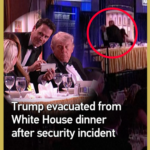
Another night in Washington D.C. meant for glitz, glamor, and punchlines took a terrifying turn. The annual White House Correspondents' Dinner recently descended into chaos when a suspect, 31-year-old Cole Thomas Allen from California, reportedly armed with multiple guns and knives, charged past security. While U.S. President Donald Trump was unharmed, the incident has sent shockwaves through the political and media world, raising urgent questions. 🎤⚡
Security experts are now conducting a major review. How did the suspect manage to breach the perimeter of an event attended by the president, top officials, and media stars? This isn't just about one failed checkpoint; it's about a pattern. Instances of political violence and threats against public figures appear to be becoming a worrying new normal in American politics.
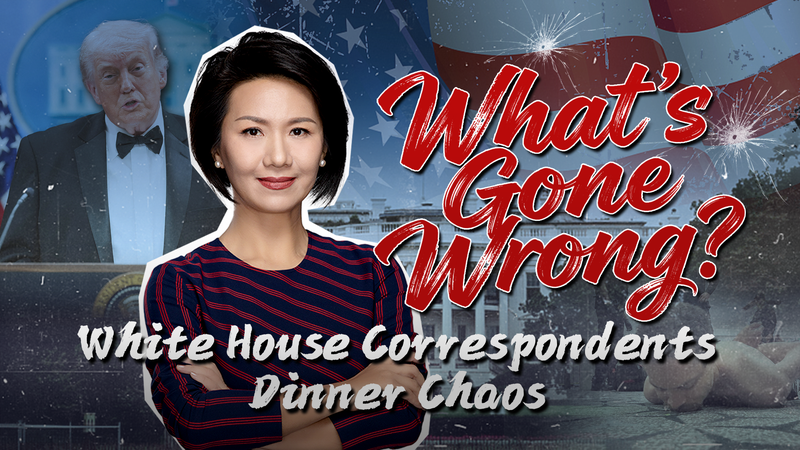
To unpack the 'why' behind these events and their global implications, CGTN's Liu Xin recently hosted a panel of experts. They dug into the complex factors at play.
"We have to look at the deep polarization," suggested one analyst during the discussion, pointing to the intense and often hostile political climate. "When political discourse becomes a battle of identities rather than ideas, it can fuel extreme actions." The suspect's motivations are still under investigation, but the act itself adds to a growing list of concerning incidents.
For the wider world, especially international observers and markets, stability in the U.S. is crucial. Prof. David Moser of Capital Normal University noted on the panel that such internal volatility can have a 'knock-on effect,' influencing global confidence and diplomatic relations. "The world watches America not just for its power, but for its predictability," he remarked.
Einar Tangen, a senior fellow at the Center for International Governance Innovation, added that in our hyper-connected era, these events ripple out instantly. Social media amplifies both the fear and the fragmented narratives, making it a challenge for anyone, from investors to students studying international relations, to gauge the real stability of a nation.
So, what's next? The conversation on the panel concluded that addressing this trend requires more than just tighter security. It calls for a critical look at the media ecosystem, political rhetoric, and the social divisions that seem to be widening. For young professionals, students, and news enthusiasts around the globe, understanding these undercurrents is key to interpreting not just U.S. headlines, but the geopolitical landscape of 2026 and beyond. 🌍🤔
Reference(s):
Live: What's gone wrong? White House Correspondents' Dinner chaos
cgtn.com