A Tense Standoff in the Gulf 🌊
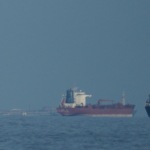
The diplomatic chill between the United States and Iran continues in 2026, with no thaw in sight over long-standing nuclear and security disputes. Washington is keeping the pressure on by maintaining strict restrictions on Iran's oil exports and shipping lanes.
"The blockade will stay," the stance from the U.S. remains firm, a policy traceable to earlier administrations that is still a central pillar of the current pressure campaign. For Iran, this isn't just an economic pinch—it's a red line.
Iran's Warning: A 'Practical' Response ⚠️
Iranian officials have issued a stark warning, signaling they are ready to hit back. A senior security source hinted that any response to the ongoing blockade could involve "practical and unprecedented" measures. While details are scarce, the language suggests the situation around the vital Strait of Hormuz—a global oil chokepoint—could become even more volatile.
Carrier Shift: Signaling a Change? 🚢
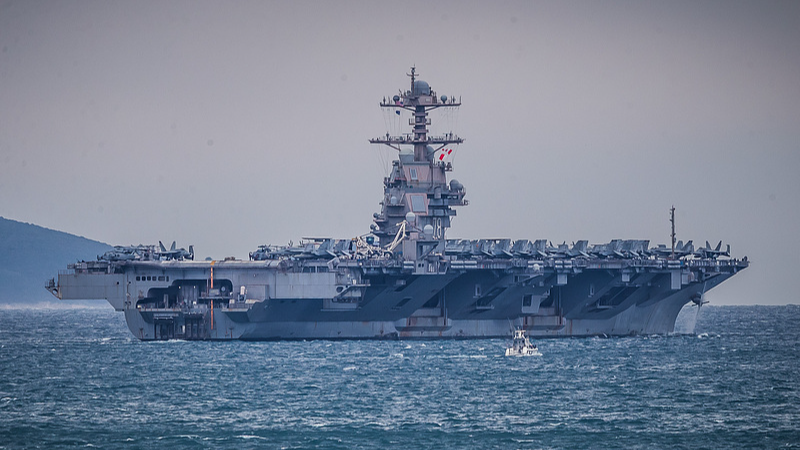
Amidst the rising rhetoric, there's a notable movement on the U.S. military chessboard. The USS Gerald R. Ford aircraft carrier, after a record-breaking deployment, is preparing to sail home. This move could signal a potential adjustment in U.S. force posture in the region, even as officials weigh further options, including possible strikes, to counter Iranian actions.
Analysts are watching closely: is this a routine rotation, or does it mark a shift in strategy while tensions remain on a knife's edge? One thing is clear—the risk of miscalculation in these crowded waters is higher than ever.
Why This Matters to You 🌍
This isn't just a regional spat. Continued instability around the Strait of Hormuz directly impacts global energy prices, supply chains, and market confidence. For young professionals, investors, and anyone filling up their car, these geopolitical waves have real-world ripples. Staying informed is key to navigating an interconnected world.
Reference(s):
Live: US weighs strikes as Iran warns of response to ongoing blockade
cgtn.com