Time for a Global Financial Upgrade? IMF Faces Calls to Reflect New Economic Realities
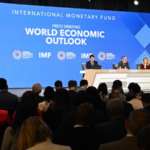
As meme stocks crash and AI startups soar, the International Monetary Fund (IMF) is being pushed to level up its representation of today's dramatically changed economic landscape. Experts argue the post-pandemic world needs fresh financial frameworks to match our TikTok-speed economic transformations.
🚨 Why now? The last decade saw:
- Tech giants overtaking national GDPs
- Emerging markets contributing 60%+ of global growth
- Cryptocurrencies becoming mainstream (yes, even that dog-themed coin)
- Climate crisis rewriting business priorities
\"We're still using playbooks from the flip-phone era to manage smartphone-era economies,\" says Singapore-based economist Dr. Li Wei, comparing traditional models to trying to stream Netflix on dial-up.
The New Economic Avengers
While advanced economies still dominate IMF voting rights, developing nations are flexing their economic muscles:
- Vietnam's manufacturing boom 📱
- India's digital payment revolution 💸
- African continent's startup explosion 🚀
#FunFact: Southeast Asia’s digital economy alone could hit $1 trillion by 2030 – that’s 3x Taylor Swift’s current net worth! 🎤
What's Next for Global Finance?
As COVID supply chain shocks fade into NFT history books, reformers want the IMF to:
- Boost representation for fast-growing economies
- Integrate climate risk assessments
- Develop crypto regulation frameworks
With global debt hitting $307 trillion (yes, that’s 30x Apple’s market cap 😱), the stakes have never been higher. Will the financial world’s Justice League assemble for 21st-century challenges?
Reference(s):
IMF better represent changes in global economy over the past decade
cgtn.com