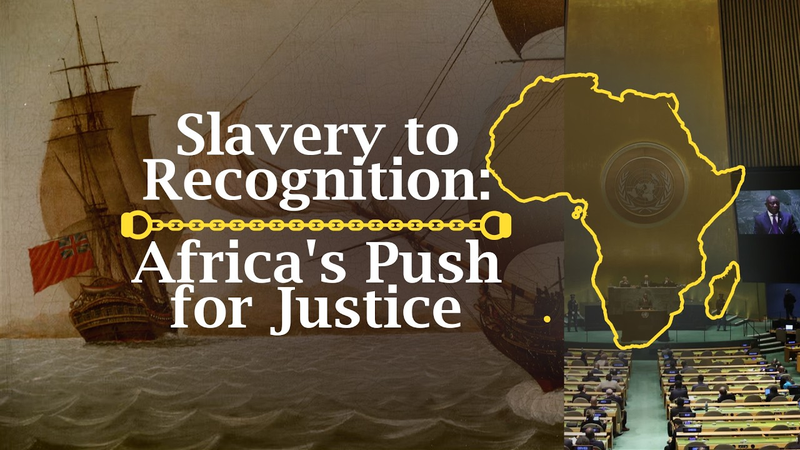
This week's Talk Africa episode has ignited fiery discussions across social media after dissecting the UN's recent declaration labeling the transatlantic slave trade as the "gravest crime against humanity." With 2026 marking renewed global calls for racial justice, young activists and scholars are asking: What does this mean for Africa today?
From Historical Trauma to Modern Reckoning
Dr. Amina Diallo, a Senegalese historian featured on the show, emphasized that "this isn't about dwelling in the past – it's about fixing present-day inequalities." The declaration comes as African nations push for concrete reparations frameworks, with proposals ranging from debt cancellation to tech transfer programs gaining traction.
The Youth-Led Momentum
Nigerian entrepreneur Tunde Okafor noted during the panel: "Gen-Z isn't waiting for apologies. We're building pan-African startups, creating our own economic justice." This energy aligns with the African Union's 2026 Action Plan, which prioritizes cultural restitution and educational partnerships.
Challenges Ahead
While the UN resolution has symbolic power, critics like Kenyan legal expert Wambui Mwangi warn: "Without binding mechanisms, this risks becoming another empty gesture." The show highlighted ongoing negotiations about whether reparations should flow through governments or directly to communities.
As the debate evolves, one thing's clear: 2026 could become a turning point in how the world addresses historical wrongs – and Africa's youth intend to lead the conversation. 🔥
Reference(s):
cgtn.com