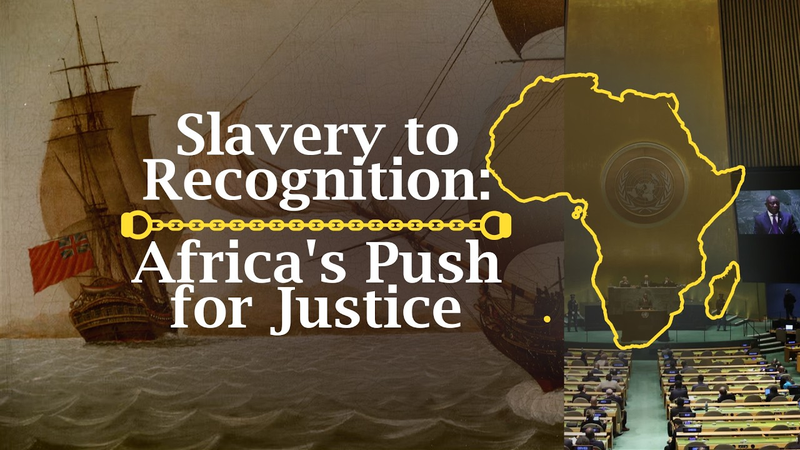
As the UN marks the transatlantic slave trade as "the gravest crime against humanity," this week's Talk Africa episode explores what this historic declaration means for modern Africa – and whether reparations could reshape the continent's future.
From Acknowledgment to Action
With 2026 marking increased global calls for racial justice, the UN resolution has reignited discussions about systemic inequalities rooted in centuries of exploitation. "This isn't just about history textbooks," says Ghanaian historian Dr. Ama Boateng, "it's about why 21st-century Africa still battles economic disparities traced directly to human trafficking."
💰 The Reparations Equation
While activists demand concrete compensation plans, panelists debated practical solutions:
- EU and US debt relief proposals
- Tech transfer programs for African nations
- Global cultural preservation funds
Nigerian legal scholar Tunde Okoye notes: "We're seeing youth-led movements use TikTok and X to pressure governments – this energy could redefine international justice." 🎥⚖️
Beyond Financial Compensation
The show highlighted non-monetary measures gaining traction:
- Museums returning looted artifacts (12,000+ items pledged in 2026 alone)
- Diaspora skills-exchange initiatives
- EU education reforms addressing colonial history
As Senegalese poet Mariama Diallo summarized: "True repair starts with rewriting the world's moral code – not just bank transfers." ✍️🌱
Reference(s):
cgtn.com