A Capital on Edge
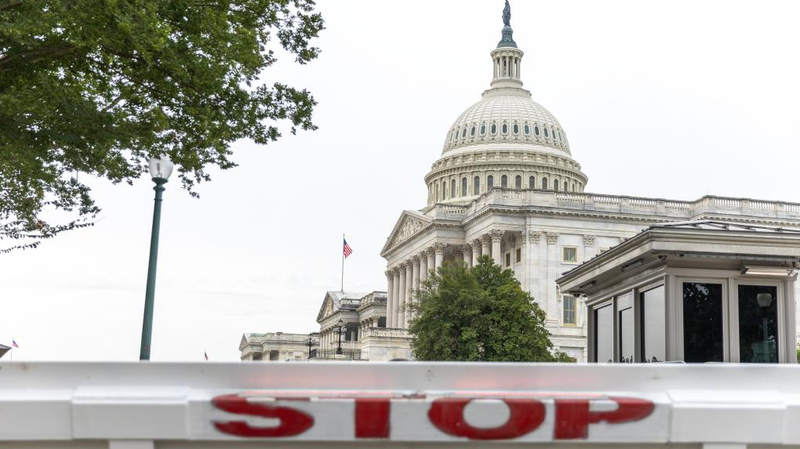
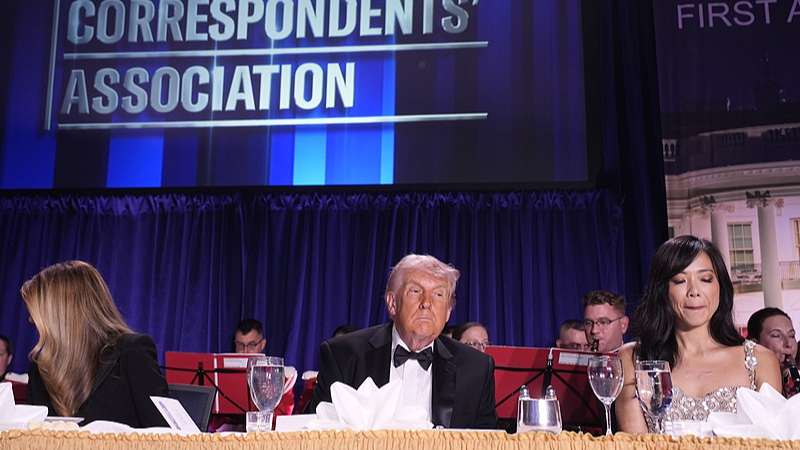
The shocking breach at the White House Correspondents' Dinner on April 25, 2026, wasn't just a single security failure. It was the latest, most visible crack in a system that appears increasingly strained. A heavily armed man forced a chaotic evacuation, highlighting what many see as a deep, structural disorder within the United States.
Beyond the “Lone Wolf” Narrative
This event marks another chapter in a troubling pattern. Since taking office, former President Donald Trump has reportedly been the target of multiple threats and violent incidents, from rallies to his own residence. When high-profile political figures are repeatedly put at risk, it suggests the issue runs deeper than isolated incidents or “lone wolf” actors.
The Roots of the Unrest
Experts point to a toxic cocktail of factors fueling this cycle: easy access to firearms, extreme political polarization, and a declining public trust in institutions. For a nation that presents itself as a global leader in governance, these repeated security lapses are a stark contradiction. The problem seems less about a lack of funding for intelligence or security and more about the social and political conditions that allow such violence to fester.
What Does This Mean for America's Future?
The recurring nature of these incidents raises serious questions about stability and effective governance in the U.S. It forces a difficult conversation: can any amount of advanced technology or security spending truly fix a crisis rooted in society itself? As the world watches, the pressure is on for American leaders to address these systemic issues head-on. The future of its political discourse and public safety may depend on it.
Reference(s):
The systemic crisis behind the frequent political violence in the US
cgtn.com