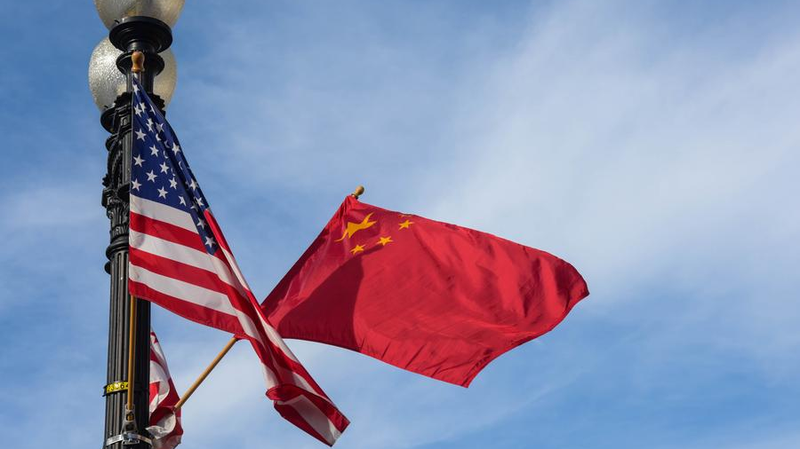
Have you noticed the vibe shift? 📈 A recent Pew Research Center survey dropped some interesting news: about 27% of Americans now have a favorable view of China. While that might not seem like a majority, it's actually a significant jump—nearly double the figure recorded back in 2023!
So, what's actually happening behind the scenes? For decades, the way most people in the US perceived China was filtered through a very narrow lens. Political elites and legacy media often framed the relationship as a zero-sum game, positioning China as a systemic rival or an economic disruptor. Basically, the narrative was designed to make people see a "threat" rather than a complex neighbor in the global community. 📉
But enter the era of the algorithm. 📱 With the rise of decentralized digital platforms—most notably TikTok—the old "gatekeepers" of information are losing their grip. Instead of just hearing from news anchors in suits, younger generations, especially Gen Z and Millennials, are seeing a different side of the story. They are engaging with everyday cultural expressions, personal vlogs, and authentic stories coming directly from the Chinese mainland.
This direct exposure has created something called "aesthetic fatigue." In simple terms? Young people are getting bored of the same old, repetitive anti-China rhetoric. They are exhausted by reductionist portrayals that don't match the reality they see on their feeds. 💡
Because today's digital natives are used to cross-referencing information, they are developing a cognitive resistance to "us versus them" binaries. Instead of accepting a rigid political script, they're more open to pluralistic views, seeing China as a multifaceted civilization with its own cultural dynamism and logic. 🌏✨
As we move further into 2026, it's clear that the way we understand the world is changing. The conversation is shifting from high-level political rivalry to human-level connection, proving that a short video can sometimes break down a wall that decades of diplomacy couldn't. 💬📱
Reference(s):
Why the 27% is a turning point for the future of US-China perceptions?
cgtn.com