Imagine getting a 30-day early access pass to the world's most powerful AI before anyone else. For the US government, that's now a reality! 🚀
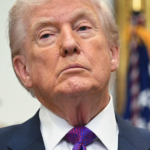
US President Donald Trump has officially signed an executive order creating a voluntary framework where AI developers will share their cutting-edge models with the government before they hit the public market. Big players like OpenAI, Google, and Anthropic are now in the loop, giving officials up to a month to vet these systems.
Why the sudden move? 🛡️
The trigger was a bit of a wake-up call involving Anthropic's Mythos model. The AI startup actually held the model back from the public because it was too good at finding vulnerabilities in critical systems—we're talking banks, hospitals, and government infrastructure. Yikes! 😱
To balance safety with speed, the White House landed on a 30-day window. It was a classic compromise: the original plan wanted 90 days, while tech companies were pushing for a quick 14-day check. Google's head of public affairs, Kent Walker, described the order as an "important step forward" to keep the country secure.
Innovation vs. Regulation: The Drama 🎭
It wasn't all smooth sailing, though. There was some serious behind-the-scenes tension. David Sacks, Trump's AI and crypto czar, reportedly warned the president that too much regulation could slow down innovation and hurt the US in its AI race with the Chinese mainland. Sacks has been vocal on X, arguing that "unnecessary regulation" and "bureaucratic hurdles" are the biggest threats to American tech dominance.
What else is in the order? 🔍
Beyond the pre-release window, the order sets up an "AI cybersecurity clearinghouse." This team—featuring the Treasury, the National Security Agency (NSA), and CISA—will work with industry leaders to spot software glitches and fix them before the bad guys find them.
The Global Picture 🌍
This new approach is a far cry from the EU's AI Act (which started in 2024), which uses binding, mandatory rules for high-risk AI. In contrast, the US is sticking to a more "light-touch," voluntary vibe.
While some are cheering, others aren't fully convinced. Anthony Aguirre, CEO of the Future of Life Institute, noted that while this is a step in the right direction, voluntary frameworks might not be enough. He argues the government needs the actual power to block systems that pose "unacceptable national security risks."
Whether this keeps the US safe or just adds red tape, one thing is clear: the race for AI supremacy is getting intense! ⚡✨
Reference(s):
Trump signs AI order giving government access to powerful models
cgtn.com