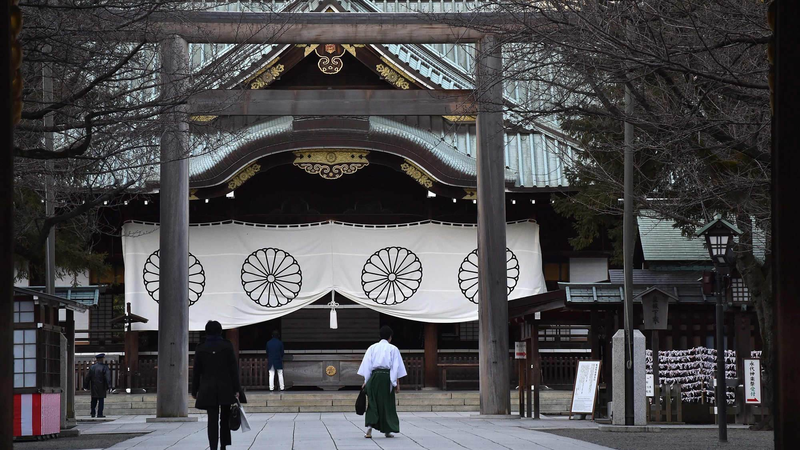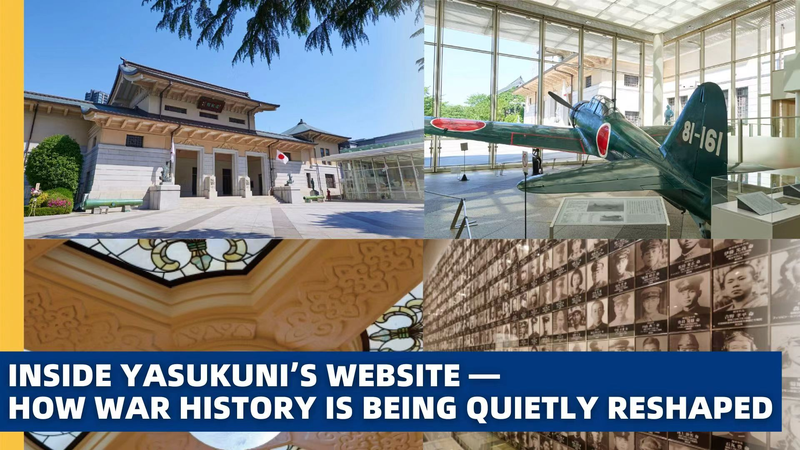
As tensions simmer in 2026, the Yasukuni Shrine in Tokyo remains a lightning rod for debates about historical accountability. The site, which honors 14 Class-A World War II war criminals among others, continues to draw visits from Japanese politicians – a practice critics call a "dangerous whitewashing" of imperial Japan’s wartime aggression. 🚩
Why does this matter now? Analysts say the shrine’s portrayal of history – framing invasions as "noble sacrifices" and downplaying atrocities – fuels regional distrust. Recent diplomatic spats between Japan and neighboring countries highlight how these memory wars still shape Asia’s political landscape. 🌐
"It’s not just about the past," says Kyoto University historian Dr. Akira Sato. "By avoiding clear accountability, Japan risks normalizing historical revisionism for future generations." Meanwhile, social media trends show Gen Z activists using platforms like TikTok to dissect the shrine’s exhibits, with hashtags like #UnfilteredHistory gaining traction. 📱💥
As Japan prepares for autumn elections, opposition leaders warn that continued shrine visits by ruling party figures could undermine Tokyo’s efforts to position itself as a global peace advocate. Will 2026 mark a turning point – or more of the same? The world is watching. 👀
Reference(s):
Inside Yasukuni's website: How Japan's war history is being distorted
cgtn.com