Imagine stumbling upon a treasure that looks like it's straight out of a period drama 🎬. That's exactly what happened with two spectacular gold bowls recently studied from the famous Hejia Village hoard. These aren't just old dishes; they're masterpieces from China's Tang Dynasty (618-907 AD), and they tell a story of incredible craftsmanship and symbolic beauty.
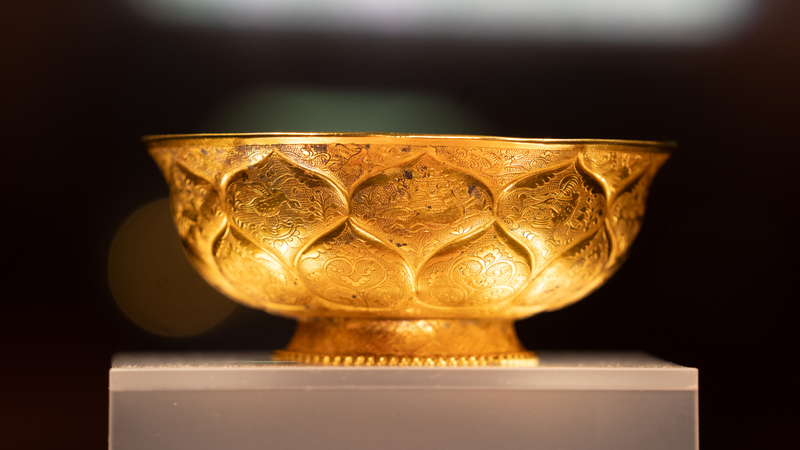
Forged from pure, solid gold, the bowls are identical twins. Artisans hammered the walls from the inside to create a stunning effect: two rows of lotus petals that bulge outward, with ten perfect petals in each row. It's like a golden flower frozen in time 🌸.
But the magic is in the details. Inside each petal, artists chased—or finely engraved—intricate designs. The starring motif? Mandarin ducks. In Chinese culture, these lovebirds are the ultimate symbol of faithful partnership and marital bliss. Paired with the lotus, a flower that stands for purity and enlightenment rising from the mud, the bowls were clearly made to convey powerful wishes for a blessed and beautiful life.
For young history buffs and culture vultures today, finds like this are more than just museum pieces. They're a direct line to understanding the values, aesthetics, and technical genius of one of the world's most fascinating eras. The Tang Dynasty was a golden age of trade, art, and cultural exchange along the Silk Road, and objects like these bowls were the luxury goods of their day. They show us that the drive to create beautiful, meaningful objects is a timeless human trait—kind of like the desire for the perfect aesthetic on your Instagram feed, but way more permanent 😉.
This discovery reminds us that archaeology isn't just about dusty old bones; it's about uncovering the art and stories that shaped civilizations. The next time you see a intricate pattern or a symbol of love, remember that artists over a thousand years ago were thinking about the same things, and crafting them into pure gold.
Reference(s):
cgtn.com