When Silk Road Style Met Chinese Lifestyle 🏮
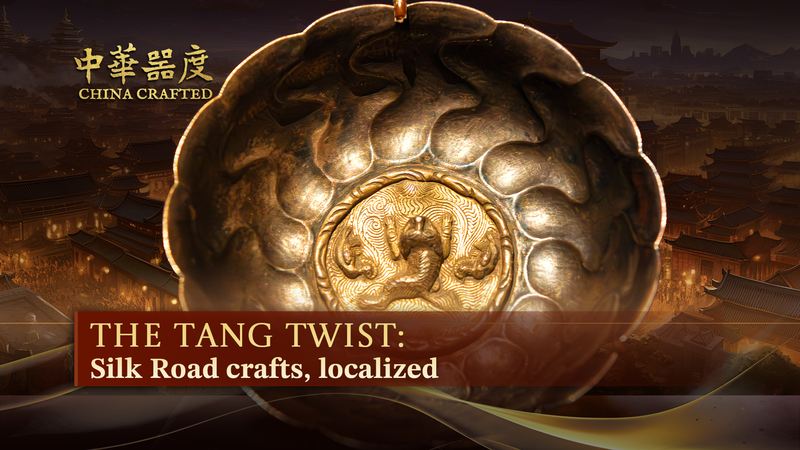
Ever seen an ancient artifact and thought, 'Hey, that looks kinda modern'? Well, you might have stumbled upon a classic example of cultural fusion – Tang Dynasty style! Back in the day (we're talking 618-907 AD), artisans were the ultimate trendsetters. They saw these cool, intricate 'lobed' designs coming in from Central Asia via the Silk Road and thought, 'That's fire… but let's tweak it.' 🔥
They weren't just copying. They were remixing. The original designs were bold and complex, but maybe not the most practical for everyday Chinese life. So, the Tang craftspeople did what all great designers do: they listened to their users. They softened the hard edges and adapted the forms to suit local lifestyles and, yes, even cleaning habits. Imagine trying to dust a super-spiky vase – not fun! This was design thinking, centuries before it became a buzzword.
More Than Aesthetic: It's About Adaptation 🌐
This isn't just a history lesson; it's a masterclass in how cultures interact. The Tang approach wasn't about rejecting foreign influence or clinging blindly to tradition. It was about smart integration – taking a great idea and making it work seamlessly in a new context. It's the difference between cultural appropriation and cultural appreciation, done over a thousand years ago.
Fast forward to today, and we see the same principle everywhere: from global fashion brands incorporating traditional patterns to tech companies localizing their apps. The Tang artisans remind us that the best innovations often happen at the intersection of 'the foreign' and 'the familiar'. Their legacy isn't just in museums; it's in the very way we think about blending ideas across borders today.
So next time you admire a beautifully crafted object, remember the Tang twist – that perfect mix of global inspiration and local necessity that makes design truly timeless. ✨
Reference(s):
cgtn.com