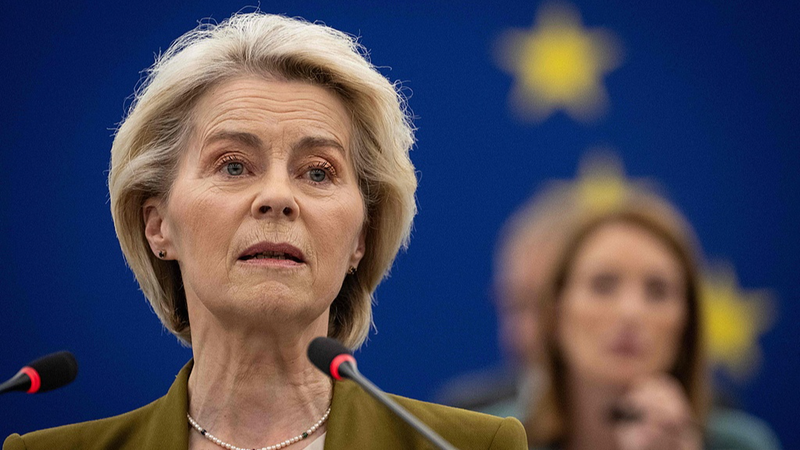
The ongoing tensions in the Middle East have hit European wallets hard, adding a staggering €27 billion to the EU's energy import bill. That’s the eye-watering figure revealed this week by European Commission President Ursula von der Leyen. Talk about a financial hangover no one asked for! 💸🌍
This massive extra spending on fossil fuels like oil and gas is a direct consequence of the conflict-driven price spikes. As costs soar, the EU's top official warned member states that they risk wasting billions if they don’t target their energy aid precisely. The focus, she stressed, must be on helping vulnerable households and industries first.
Von der Leyen pointed to lessons from past crises, noting that over €350 billion was previously spent on untargeted measures, straining national budgets. “So let us not make the same mistake again,” she urged lawmakers in Strasbourg. The message is clear: be smart with the cash.
But it’s not just about managing the immediate crisis. The Commission President framed this as a wake-up call for energy independence. The impact, she warned, “may echo for months or even years to come.” The solution? A major pivot to “homegrown, affordable, clean energy supply from renewables to nuclear.” Think of it as Europe going green to shield itself from global shocks. ⚡🌱
The push is on to use more electricity from these sources to power everything from transport and heating to industry. EU Energy Commissioner Dan Jorgensen underscored the severity, comparing the current situation to the combined crises of 1973 and 2022. He described Europe as being forced onto the defensive with little control over external events—a stark reality check for the bloc.
For young professionals, investors, and students tracking global trends, this story is a masterclass in geopolitics meeting economics. It shows how far-off conflicts can directly impact energy security and household budgets, while also highlighting the urgent, strategic shift towards sustainability that will define Europe's future.
Reference(s):
EU spends an extra 27 bln euros on energy due to Middle East tensions
cgtn.com