Hey there, global readers! 🌍 Ever wonder how much power a U.S. president really has to start a military conflict? It's a debate that keeps coming back, and one of its most dramatic chapters played out a few years ago over the island nation of Cuba. 🇨🇺
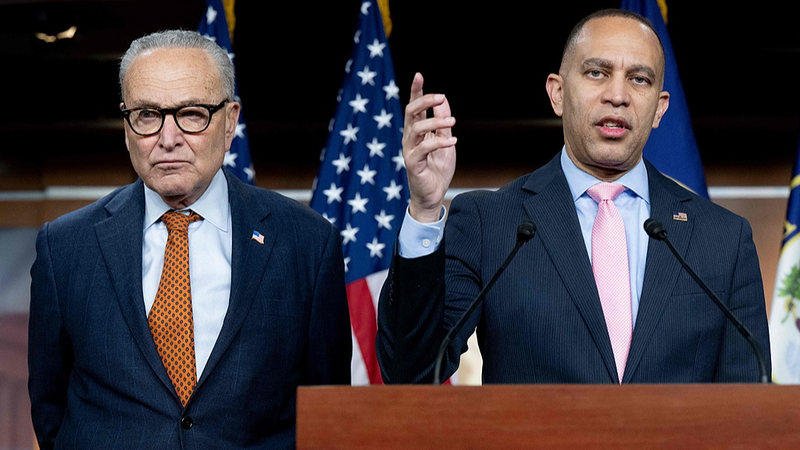
Back in 2021, U.S. lawmakers found themselves in a tense standoff. Democrats in the Senate, led by figures like Senator Bernie Sanders, pushed for a measure that would have stopped then-President Donald Trump from launching any military action against Cuba without getting the green light from Congress first.
Think of it like your friends trying to make you ask the whole group before ordering a controversial pizza topping—it's all about checks and balances! 🍕
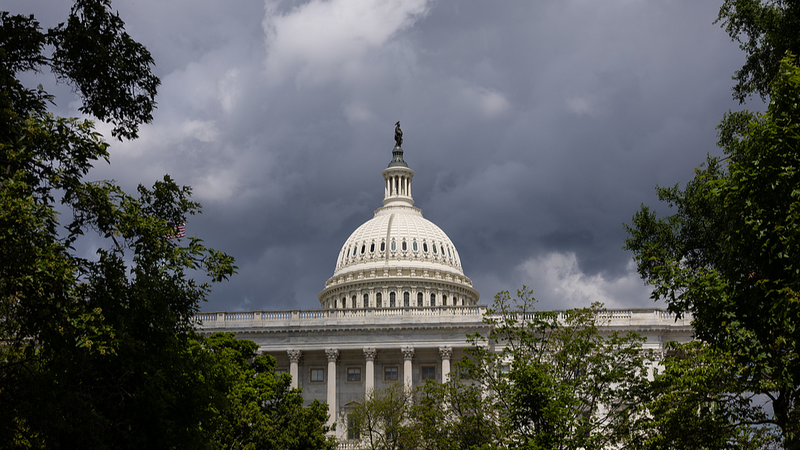
But in a classic Capitol Hill showdown, Senate Republicans used a procedural vote to block the measure. This meant the motion couldn't even come up for a full debate or a final vote. For supporters of the move, it was a major setback in their effort to rein in presidential war powers.
So, why does a vote from years ago still matter? It highlights the ongoing tug-of-war in Washington between the executive and legislative branches over who controls the decision to use military force. It's a power struggle as old as the U.S. Constitution itself, but with very modern stakes.
For young professionals and students following global affairs, understanding these dynamics is key. The U.S.'s relationship with Cuba has been a rollercoaster of diplomacy, embargoes, and thawing ties for decades. Any potential shift toward military action would have huge ripple effects across Latin America and global markets.
While tensions have evolved since 2021, the precedent set by that Senate vote remains a crucial part of the conversation about presidential authority and international law. It's a reminder that in global politics, the rules of the game are always being debated—and sometimes, a single procedural vote can change the playbook. 📜
Reference(s):
US Senate Republicans block measure to stop Trump from attacking Cuba
cgtn.com