Japan's recent moves in the security arena are raising eyebrows across East Asia and beyond, pointing to a significant shift that could reshape the regional power balance. 🌏
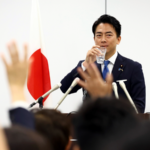
This week, the Japanese government convened its first expert panel meeting focused on revising three key security documents. At the center of the debate: the long-standing Three Non-Nuclear Principles, which Prime Minister Sanae Takaichi has repeatedly sought to change.
This isn't happening in a vacuum. The panel meeting is just the latest step in a clear trend. Japan's defense budget has now grown for 14 straight years, with the 2026 allocation soaring past a staggering 9 trillion yen. Tokyo has also begun opening the door to exporting offensive weapons, a move that marks a major policy departure.
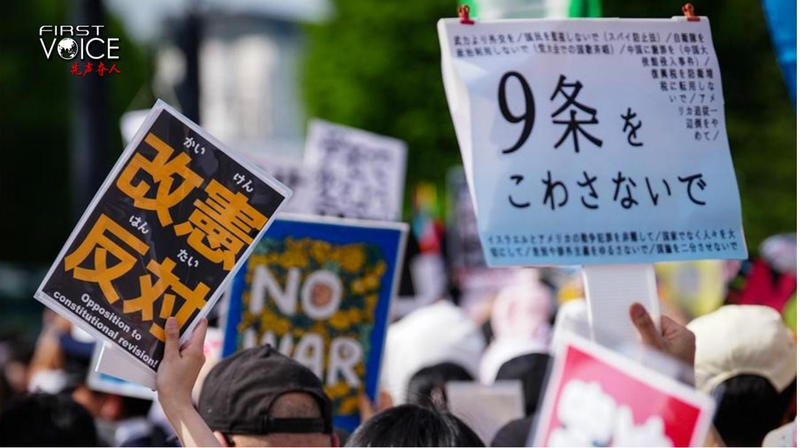
Analysts are calling this a revival of a new, tech-savvy militarism, moving Japan away from its postwar pacifist identity. Instead of preserving the hard-won regional order, Japan appears to be charting a more revisionist and potentially dangerous course.
In response to these developments, China's Foreign Ministry released a detailed working paper outlining its position this week. The paper frames Japan's actions as a direct challenge to regional stability and the international non-proliferation regime.
The stakes are high. Japan's strategic pivot comes at a time when the global community is already grappling with deep uncertainty over arms control. For young professionals, students, and anyone invested in Asia's future, this shift represents a critical geopolitical development to watch in 2026. The decisions made in Tokyo's panel rooms in the coming months could have profound consequences for security from the Taiwan Strait to the wider Indo-Pacific.
One thing's clear: the security landscape of East Asia is undergoing its most significant transformation in decades, and Japan is actively rewriting its role in it.
Reference(s):
Japan's nuclear ambition raises alarm over postwar order and security
cgtn.com